Why the Divine Nine’s January Founders’ Days Still Matter
A reflection on Alpha Kappa Alpha, Kappa Alpha Psi, Delta Sigma Theta, Phi Beta Sigma, and Zeta Phi Beta — and why their missions remain urgent. Atlantic City Focus celebrates the Divine Nine.
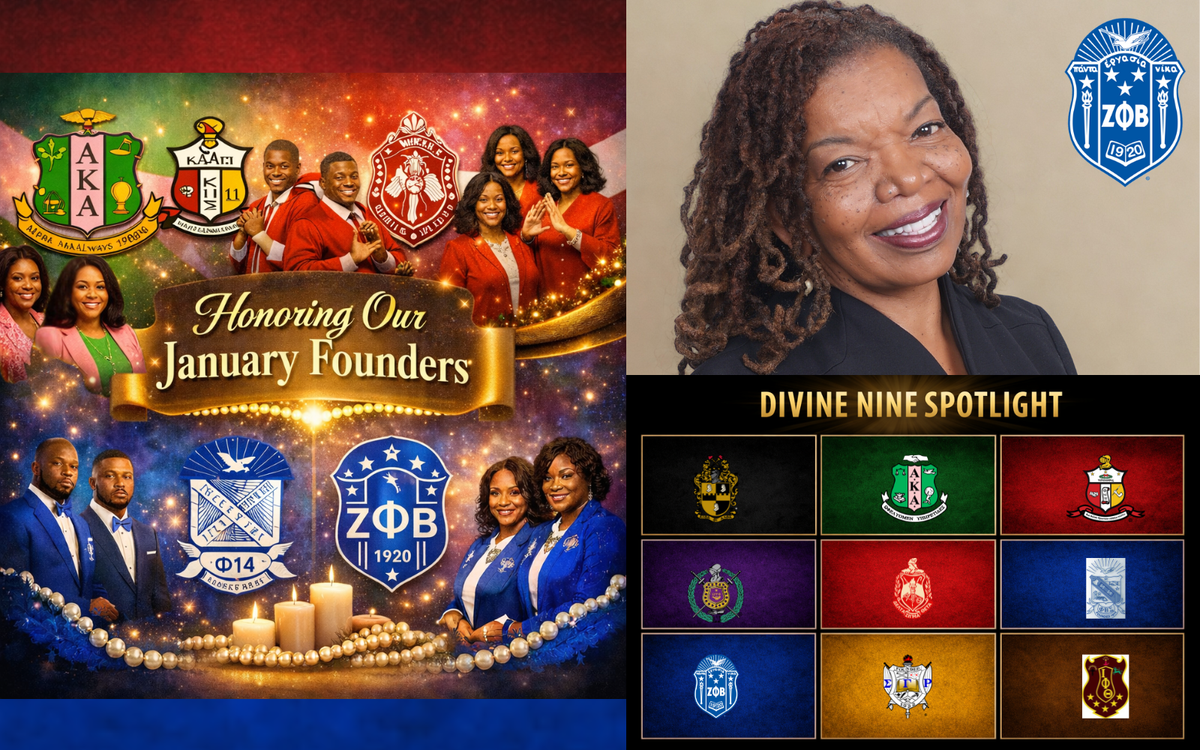
Editor's Note: The Divine Nine: A Legacy of Scholarship, Service, and Sisterhood & Brotherhood
More than a century ago, at a time when African Americans were largely excluded from full participation in campus life and American society, a group of visionary Black college students decided to create something of their own — organizations rooted in scholarship, leadership, service, and mutual uplift. From that determination emerged what is now known as the Divine Nine: nine historically African American Greek-letter organizations that have shaped generations of leaders and transformed communities across the nation.
The first of these organizations was Alpha Phi Alpha Fraternity, Incorporated, founded in 1906 at Cornell University by seven young men who sought intellectual growth, cultural awareness, and a support system in a predominantly white academic environment. Two years later, in 1908, Alpha Kappa Alpha Sorority, Incorporated was established at Howard University by nine women who envisioned a sisterhood dedicated to high scholastic standards and service to humanity.

As the early 20th century unfolded, more organizations followed — each responding to the social, political, and educational needs of the time. Kappa Alpha Psi Fraternity, Incorporated was founded in 1911 at Indiana University to promote achievement among college-educated men, while Omega Psi Phi Fraternity, Incorporated was established later that same year at Howard University to foster friendship, academic excellence, and leadership.
In 1913, Delta Sigma Theta Sorority, Incorporated was founded by 22 women at Howard University who were committed not only to sisterhood, but to social action — a mission they demonstrated early by participating in the 1913 Women’s Suffrage March in Washington, D.C. A year later, Phi Beta Sigma Fraternity, Incorporated was founded in 1914 at Howard with a focus on building inclusive brotherhoods and serving communities beyond campus walls.
The growth of the Divine Nine continued with Zeta Phi Beta Sorority, Incorporated, founded in 1920 at Howard University as a sisterhood committed to scholarship, service, and finer womanhood — and known for forging a unique bond with Phi Beta Sigma as constitutionally bound partners in service. In 1922, Sigma Gamma Rho Sorority, Incorporated was established at Butler University by seven educators who believed strongly in using education as a vehicle for social change.
Completing the Divine Nine is Iota Phi Theta Fraternity, Incorporated, founded in 1963 at Morgan State College during the height of the Civil Rights Movement to address the needs of a changing Black student population.
Together, these organizations have produced a vice president, members of Congress, civil rights leaders, corporate leaders, educators, artists, professional athletes, entrepreneurs, and community advocates. Yet beyond the famous names and notable achievements, the Divine Nine’s true legacy lives in local chapters, campus mentoring programs, voter registration drives, scholarship funds, food pantries, youth initiatives, and everyday acts of service.
Atlantic City Focus will, periodically, celebrate the history, values, and impact of Divine Nine organizations — not just as fraternities and sororities, but as enduring institutions that continue to shape Black life, leadership, and community across generations. We will welcome various guest writers and highlight events sponsored by national organizations, as well as regional and local chapters.
January Foundings
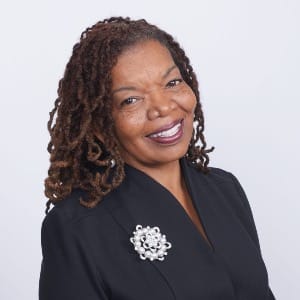
Something special happens every January for certain members of the Divine Nine. Five different organizations celebrate the anniversaries of their founding, all of which stretch back more than a century.
Students Who Saw What Was Needed and Acted on It
Think about what it took to start these organizations. College students in the early 1900s looked around and said, “We need something better. We need each other.”
On January 15, 1908, nine women at Howard University formed Alpha Kappa Alpha Sorority, Incorporated. They became the first African American Greek-letter sorority.
That wasn’t just groundbreaking. It was a statement that Black women belonged in spaces of academic excellence and deserved their own platforms for collective action.
Three years later, on January 5, 1911, ten men at Indiana University founded Kappa Alpha Psi Fraternity, Incorporated.
They weren’t at a historically Black college. They were on a predominantly white campus where they faced real hostility. But they built something that would prove African American men could achieve at the highest levels, no matter where they were.
On January 13, 1913, Delta Sigma Theta Sorority, Incorporated was founded by 22 women at Howard University who were committed not only to sisterhood, but to social action — a mission they demonstrated early by participating in the 1913 Women’s Suffrage March in Washington, D.C.
Phi Beta Sigma Fraternity, Incorporated came next, on January 9, 1914, back at Howard.
What set them apart was their approach. For them, serving humanity wasn’t optional. It was the whole point. It wasn’t about exclusivity. It was about what you could do for your community.
Then on January 16, 1920, five women at Howard founded Zeta Phi Beta Sorority, Incorporated.
They did something unique by creating a constitutional bond with Phi Beta Sigma, showing that men and women could work together on shared goals while keeping their separate identities strong. They are the only true Brother/Sister members of the Divine Nine.
Why These Principles Still Hit
Here’s the thing about what these founders built. They addressed problems that haven’t gone away. They pushed scholarship when African Americans had limited access to education. Now their organizations give out millions in scholarships every year because that access still isn’t guaranteed for everyone.
They made service non-negotiable. Whether it was voter registration during Jim Crow or health screenings in underserved neighborhoods today, these organizations have always shown up when communities needed them.
They created bonds of sisterhood and brotherhood that helped people survive some of the worst periods in American history. Those same networks still support members through career challenges, personal struggles, and everything in between.
And they never let anyone forget that these organizations exist for a reason beyond socializing. They’ve pushed for civil rights legislation, fought health disparities, tackled economic inequality. Whatever the pressing issue of the time demanded.
What January Means Now
This January, you’ll see chapters across the country marking their Founders' Days. There will be service projects and scholarship awards and gatherings to remember the people who started it all.
But this isn’t about looking backward with misty eyes. When Delta Sigma Theta sisters hold voter registration drives, they are channeling the same energy that led those founders to start the organization in 1913. When Kappa Alpha Psi members work with young men, they’re proving the same point their founders made in 1911. When AKA sisters fight for better healthcare access, they’re channeling Ethel Hedgeman Lyle and those eight other women who believed service meant something. When Phi Beta Sigma brothers tackle educational gaps, they’re living out that original commitment to service and progress. When Zeta Phi Beta sisters promote scholarship with a conscience, they’re being exactly what their founders envisioned.
The Work Continues
As these five organizations mark their Founders’ Days this January, the focus isn’t only on history. It’s on what comes next. The work didn’t stop with the founders, and it doesn’t pause for anniversaries.
Speaking as a Zeta, I know this legacy isn’t something we simply receive. It’s something we’re expected to live up to. That happens in the choices we make, the service we give, and how seriously we take the principles our founders set in motion.
The foundation they built is strong. What matters now is that we continue to build on it.
Thanks for reading the whole story!
At Atlantic City Focus, we're committed to providing a platform where the diverse voices of our community can be heard, respected, and celebrated. As an independent online news platform, we rely on a unique mix of affordable advertising and the support of readers like you to continue delivering quality, community journalism that matters. Please support the businesses and organizations that support us by clicking on their ads. And by making a tax deductible donation today, you become a catalyst for change helping to amplify the authentic voices that might otherwise go unheard. And every contribution is greatly appreciated. Join us in making a difference—one uplifting story at a time!


GET UP WITH ATLANTIC CITY FOCUS and RAYMOND TYLER
STARTING MONAY, FEB 10th AT 8AM!