
Ditch the Bottle: Why Homemade Salad Dressing is a Health Game-Changer
From added sugars to processed oils, here’s why making your own salad dressing may be one of the easiest healthy habits you can start today.
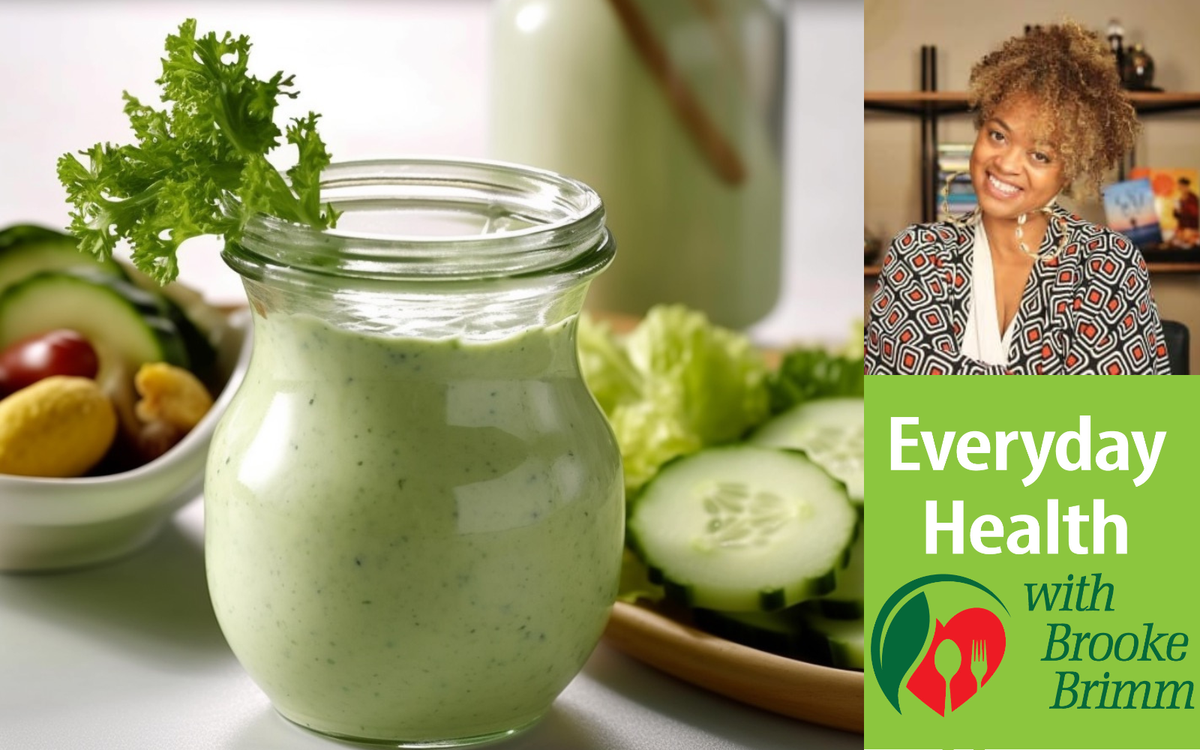
We’ve all been there: you put together a beautiful, vibrant bowl of organic greens, roasted veggies, and lean protein—only to drown it in a processed, store-bought ranch or balsamic vinaigrette.
While convenient, most commercial dressings are the "hidden sabotage" of the health world. Making your own dressing at home isn't just a culinary flex; it’s one of the simplest ways to transform your nutrition. Here’s why you should start whisking your own.

1. Control the "Big Three": Sugar, Salt, and Bad Fats
The primary reason bottled dressings can sit on a shelf for months is a cocktail of preservatives and cheap fillers. When you make your own, you avoid:
- Lower Quality Oils: Most store brands use soybean, canola, or cottonseed oils. At home, you can use high-quality Extra Virgin Olive Oil (EVOO) or Avocado Oil, which are packed with heart-healthy monounsaturated fats.
- Hidden Sugars: You’d be surprised how much high-fructose corn syrup is in "light" raspberry vinaigrette. DIY-ing allows you to use natural sweeteners like a touch of honey, date syrup or maple syrup—or skip them entirely.
- Excess Sodium: Bottled dressings are notorious salt bombs. Controlling the pinch of sea salt yourself helps manage blood pressure and bloating.
Homemade Peanut Dressing
2. A Surprising Fiber Boost
Did you know your dressing can actually contribute to your daily fiber intake? While oil and vinegar are the basics, you can "bulk up" your dressings with whole-food thickeners:
- Tahini or Nut Butters: These add creaminess along with fiber and protein.
- Blended Berries: Use fresh raspberries or strawberries as a base for a tart, high-fiber vinaigrette.
- Chia Seeds: Add a teaspoon to your jar; they’ll swell slightly and add a nutritional punch to every bite.
3. Maximum Nutrient Absorption
Many vitamins found in salad greens—specifically Vitamins A, D, E, and K—are fat-soluble. This means your body literally cannot absorb them without a fat source.
By using high-quality fats like extra virgin olive oil in your homemade mix, you ensure that the nutrients in your kale and carrots actually make it into your system rather than just passing through.
The "Golden Ratio" Formula
You don't need a recipe book to be a dressing pro. Just remember the 3:1 Ratio:
| Ingredient Type | Examples |
|---|---|
| 3 Parts Oil | Extra Virgin Olive Oil, Avocado Oil, Walnut Oil |
| 1 Part Acid | Lemon juice, Apple Cider Vinegar, Balsamic, Lime |
| Aromatics/Flavor | Minced garlic, Dijon mustard, dried oregano, black pepper |
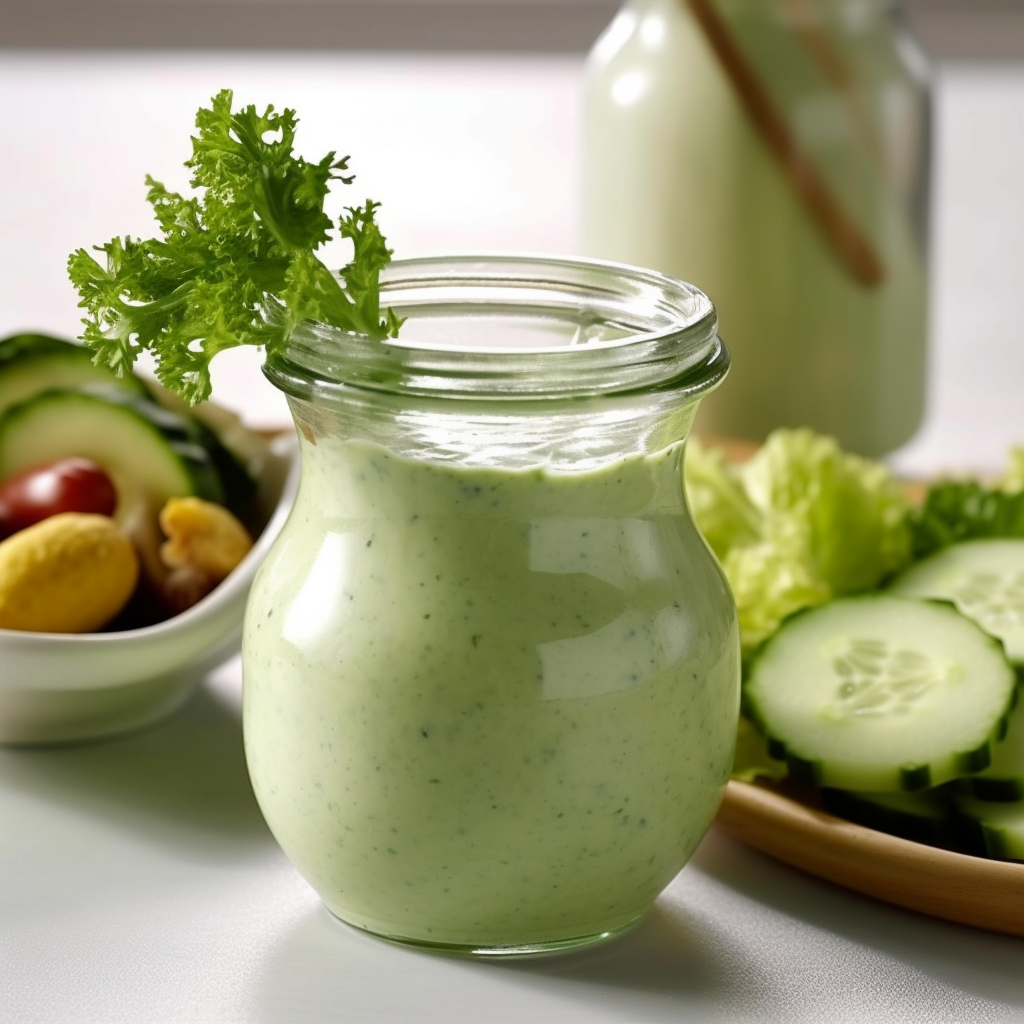
Pro Tip: Use a small mason jar to mix your ingredients. Shake it vigorously for 30 seconds to emulsify the oil and acid. It stays fresh in the fridge for up to a week!
The Bottom Line
Making your own dressing takes about 90 seconds, yet it significantly lowers your intake of processed additives while amping up the flavor. Next time you’re at the store, skip the condiment aisle and head straight for the oils and vinegars. Your body (and your taste buds) will thank you.
Thanks for reading the whole story!
At Atlantic City Focus, we're committed to providing a platform where the diverse voices of our community can be heard, respected, and celebrated. As an independent online news platform, we rely on a unique mix of affordable advertising and the support of readers like you to continue delivering quality, community journalism that matters. Please support the businesses and organizations that support us by clicking on their ads. And by making a tax deductible donation today, you become a catalyst for change helping to amplify the authentic voices that might otherwise go unheard. And every contribution is greatly appreciated. Join us in making a difference—one uplifting story at a time!