
Pleasantville Residents Oppose Transfer Station, Press Council for Answers
Residents raise concerns about property values, truck traffic and transparency as officials discuss the approval process and existing redevelopment agreements.
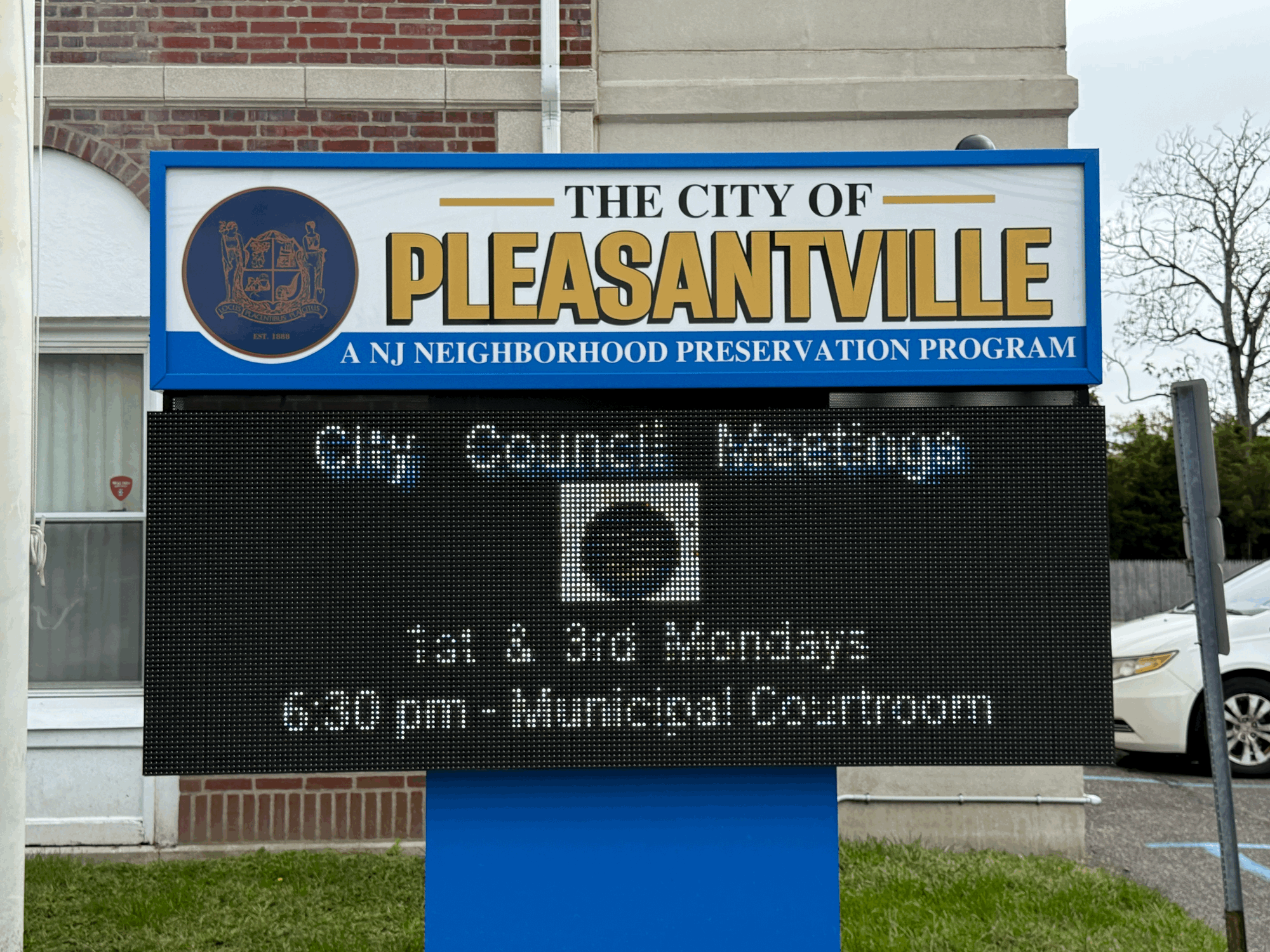
PLEASANTVILLE, N.J. — Residents opposed to a proposed transfer station urged City Council on October 5, 2026, to take a public stand against the project warning of potential effects on property values, traffic and air quality.
During an extended discussion, residents questioned how the proposal could move forward and called for clearer information about its status before the Pleasantville Planning Board.
“We vehemently do not want a transfer station in our city,” one resident said.

The meeting highlighted disagreement over how the council’s role in the county’s solid waste approval process intersects with redevelopment agreements the city previously signed.
Matthew DeNafo, president of the Atlantic County Utilities Authority, attended at the invitation of Council President Carla Thomas to explain the county’s solid waste planning process.
DeNafo said a project seeking inclusion in the county’s solid waste plan must submit a complete application, including a letter from the municipality’s governing body stating its position.
He described a process involving local reviews, county review, consideration by the Solid Waste Advisory Council, approval by the county commissioners and review by the New Jersey Department of Environmental Protection.
DeNafo repeatedly emphasized that he was explaining the general process rather than offering an opinion about the proposed Pleasantville facility or the city’s legal obligations.
City Solicitor Tracey S. Cosby questioned how that explanation applied to a project already subject to redevelopment agreements and litigation.
“You’re speaking hypothetically here today, giving examples, but specifically are you talking about the transfer station?” Cosby asked.
Cosby cautioned that the city’s existing agreements and the court proceedings complicated the issue. She asked that ACUA’s attorney contact her to discuss the matter.
DeNafo said he was not an attorney and was not advising the council to take action on its contracts. His purpose, he said, was to explain where municipal participation fits into the county process.
Residents nevertheless urged the council to formally state whether it supports or opposes the proposal. One speaker asked for a resolution communicating the council’s position to the county and argued that the project deserved renewed scrutiny.
That speaker also said the proposed facility’s footprint would be about four times larger than originally planned and raised questions about the owner’s licensing requirements. Those statements were presented as public comments, rather than findings announced by the council.
Other speakers warned that the facility could hurt home values and increase heavy-truck traffic. One questioned whether city streets could withstand the additional loads and whether congestion could interfere with school bus routes. The speaker also raised concerns about air quality and rodents.
Residents sought clarification about the court proceedings and whether required information had been submitted on time.
Mayor Judy Ward said the city’s attorney and engineer had addressed the information requested of them before the deadline. Cosby said she was not the Planning Board’s attorney and could not personally attest to which documents had been exchanged, but had been advised that the parties were working through the process.
Cosby explained that the court’s order called for the Planning Board’s professionals to provide proposed conditions to the applicant, which would have an opportunity to agree or object. Disputes could be brought back before the court.
Another resident read correspondence stating that the matter had been returned to the Planning Board. Cosby said the board retained jurisdiction over the application and that the court could resolve disputes concerning the conditions.
She also explained that the city had signed a redevelopment agreement in 2019 and an amended agreement in 2021. Ending those agreements years later, after performance had begun, would be more complicated than simply rescinding a resolution, she said.
Residents also called for Planning Board meetings to return to an in-person format. Speakers said virtual meetings made it harder to follow discussions and participate in decisions affecting their neighborhoods.
Cosby directed those concerns to the Planning Board and its attorney, saying she did not control whether the board met virtually or in person.
Several residents requested more consistent reports from council committees and better access to agenda materials so they could follow developments before decisions were made.
Near the end of the public meeting, Ward acknowledged the opposition and the uncertainty surrounding the proposal.
“We know what the public wants and you made that very, very clear,” Ward said. “We hear your concerns.”
In other business, the council adopted an ordinance amending its salary ordinance to add the building subcode official title and revise titles or salary ranges for part-time electrical, fire protection and plumbing subcode officials.
During the public hearing, an official said the city had been paying about $150,000 annually for a third-party service and estimated that bringing the work in-house with part-time personnel could save about $100,000.
The council also approved Resolution 179, authorizing a change order and final payment to South State Inc. for road work.
Thanks for reading the whole story!
At Atlantic City Focus, we're committed to providing a platform where the diverse voices of our community can be heard, respected, and celebrated. As an independent online news platform, we rely on a unique mix of affordable advertising and the support of readers like you to continue delivering quality, community journalism that matters. Please support the businesses and organizations that support us by clicking on their ads. And by making a tax deductible donation today, you become a catalyst for change helping to amplify the authentic voices that might otherwise go unheard. And every contribution is greatly appreciated. Join us in making a difference—one uplifting story at a time!