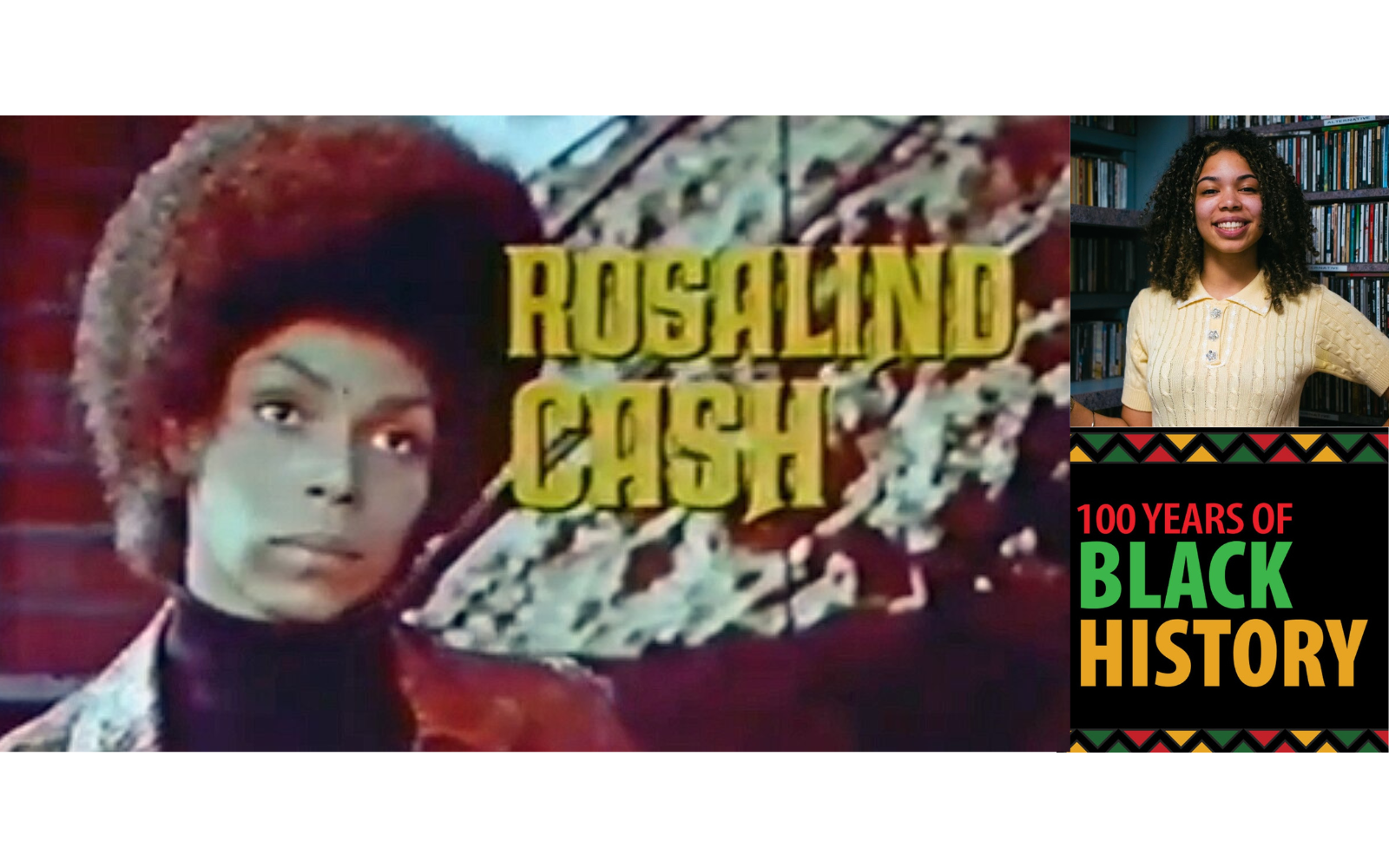
How Atlantic City Helped Shape Rosalind Cash’s Legacy
An audio story featuring Ralph Hunter on the actress’s roots, resilience, and refusal to accept demeaning roles.
You are tuned in to a program sponsored by Atlantic City Focus. We thank you for listening.
The story you are about to hear is produced by South Jersey Emerging Journalist Project fellow Autumn Daughtry.

When people talk about Atlantic City, they usually mention the Boardwalk, the beach, or maybe a night they had at the casino.
But if you ask Ralph Hunter, a longtime community member and founder of the African American Museum in Newtonville, New Jersey, he’ll tell you that Atlantic City doesn’t just host talent—it shapes history. Race history. Herstory.

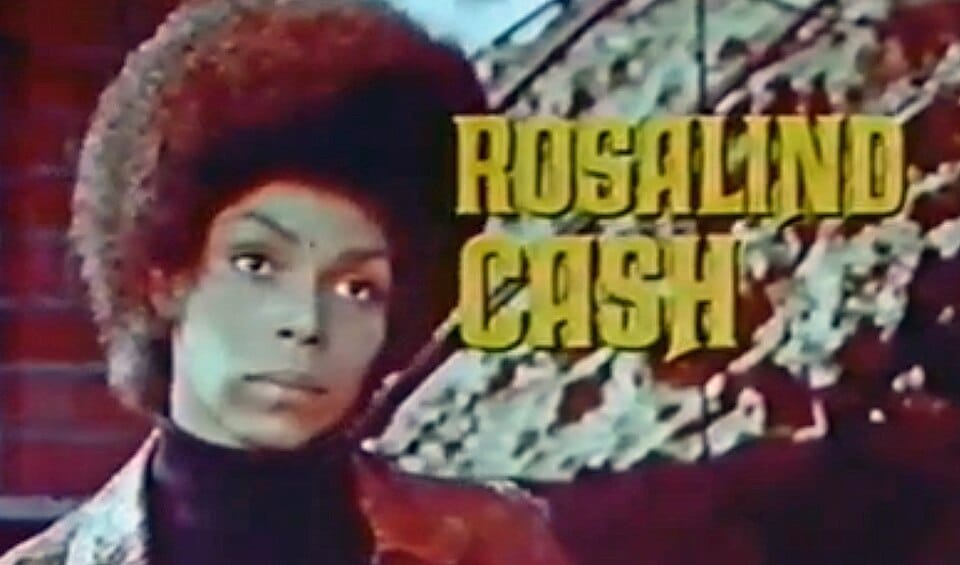
That story belongs to Rosalind Cash.
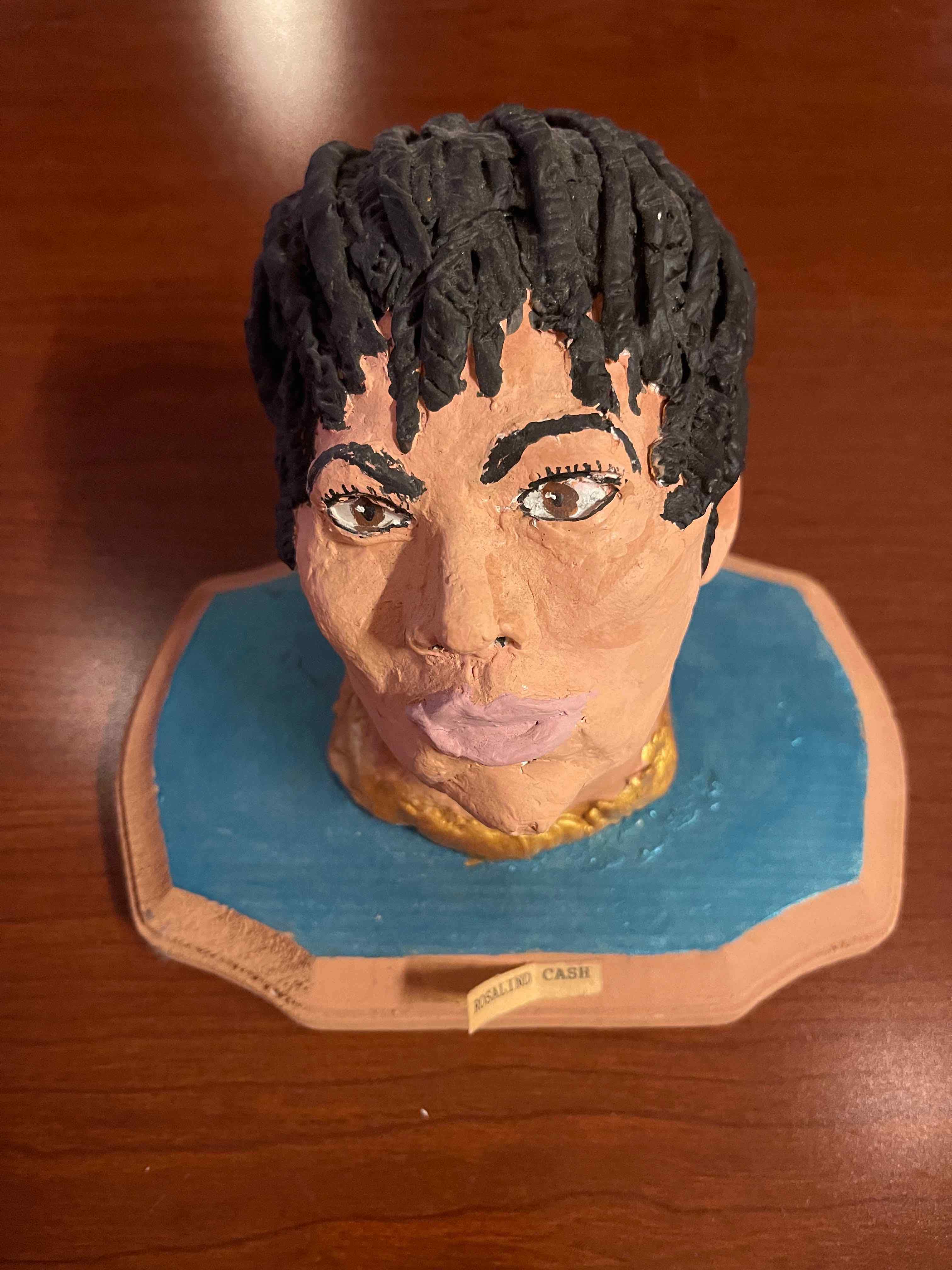
“She was my hero,” Hunter said.
Ralph Hunter and Rosalind Cash were born in the same year—1938—and grew up together in the South Jersey–Philadelphia area. They shared the same streets, the same music, the same dances, and the same small world.
“We grew up together,” Hunter recalled. “I didn’t go to school here, but I went to school in Philadelphia.”
During that time in Atlantic City, entertainment existed, but opportunity was limited—especially for people of color. Major performers like Sammy Davis Jr., Ella Fitzgerald, and Cab Calloway would come through the city, Hunter said, but they would perform and then leave.
“There was no real theater scene to grow into,” he explained. “Once you reached that plateau, there was nothing else. You either had to go to Philadelphia, New York, or out to the West Coast to take the next step.”
Rosalind Cash chose New York.
She studied theater. She studied dance. But she also worked—and she worked with intention. For Cash, success wasn’t just about the roles she accepted. It was about the roles she refused.
“Words couldn’t explain what she meant to Atlantic City,” Hunter said, “especially her refusal to take roles in plays or movies that were demeaning—roles like ‘your mama,’ ‘Stepin Fetchit,’ those kinds of stereotypes.”
At a time when Black actresses were routinely boxed into narrow, degrading roles, Cash made a different choice. Watching from home, that choice made her a hero to Ralph Hunter.
“She got out of here and went to find greener pastures,” he said.
But before New York—and before the fame—there was dance.
Rosalind Cash trained locally under Claudie Price, a woman who taught young Black girls etiquette, movement, and confidence through a debutante program known as the Cotillion. The program included formal dances and a grand ball held each year at Boardwalk Hall.
It was one of the very few structured spaces where young Black women in Atlantic City could imagine something bigger.
“They had to learn all these dance steps—the fox trot and others—to prepare for the grand ball,” Hunter explained. “They haven’t had it for 10 or 15 years here in Atlantic City, but it was a great opportunity for young women of color to move to the next level.”
He described lessons in dance etiquette, dress, hair, and makeup—skills passed down by women who understood the importance of presentation, pride, and possibility.
Rosalind Cash is remembered not only for the iconic roles she played, but for the ones she refused.
Through Ralph Hunter’s memory, she remains more than an actress. She remains one of a kind.
“She was one of a kind,” he said.
Her story is proof that Atlantic City doesn’t just benefit from entertainment—it helps shape it. It creates it.
It’s history.
It’s her story.
(Autumn will cover stories in Atlantic and Gloucester counties. The work Autumn does for Atlantic City Focus is produced as part of the South Jersey Emerging Journalists Project fellowship, in partnership with Temple University’s Center for Community-Engaged Media. Her work is supported with funding from the People’s Media Fund and the NJ Civic Information Consortium.)
Thanks for reading the whole story!
At Atlantic City Focus, we're committed to providing a platform where the diverse voices of our community can be heard, respected, and celebrated. As an independent online news platform, we rely on a unique mix of affordable advertising and the support of readers like you to continue delivering quality, community journalism that matters. Please support the businesses and organizations that support us by clicking on their ads. And by making a tax deductible donation today, you become a catalyst for change helping to amplify the authentic voices that might otherwise go unheard. And every contribution is greatly appreciated. Join us in making a difference—one uplifting story at a time!