
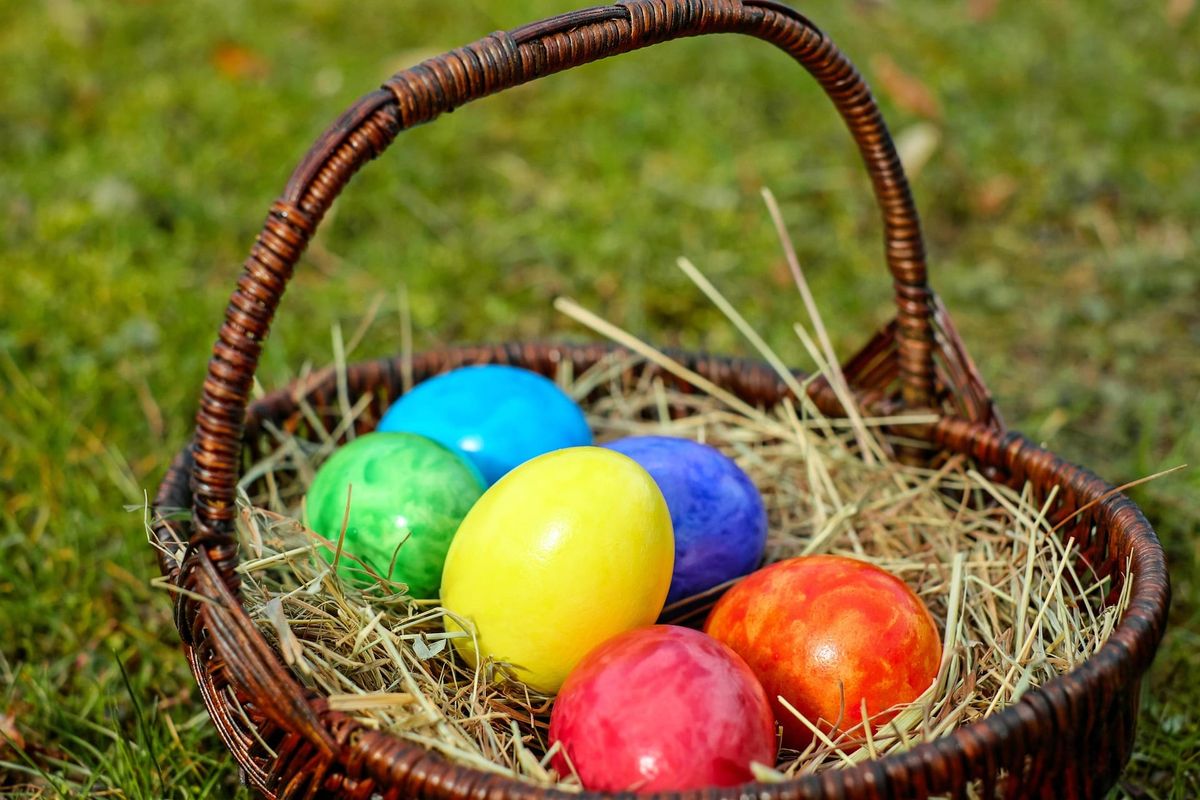
As families across the region prepare for Easter celebrations, many of the holiday’s most recognizable traditions—from decorating eggs to egg hunts to baskets full of candy to spring attire—carry a history that spans centuries and cultures.
Long before Easter became a central observance in Christianity, ancient societies across Europe and the Middle East marked the arrival of spring as a time of renewal, growth and new life. These early celebrations often coincided with the vernal equinox, when longer days signaled the end of winter.

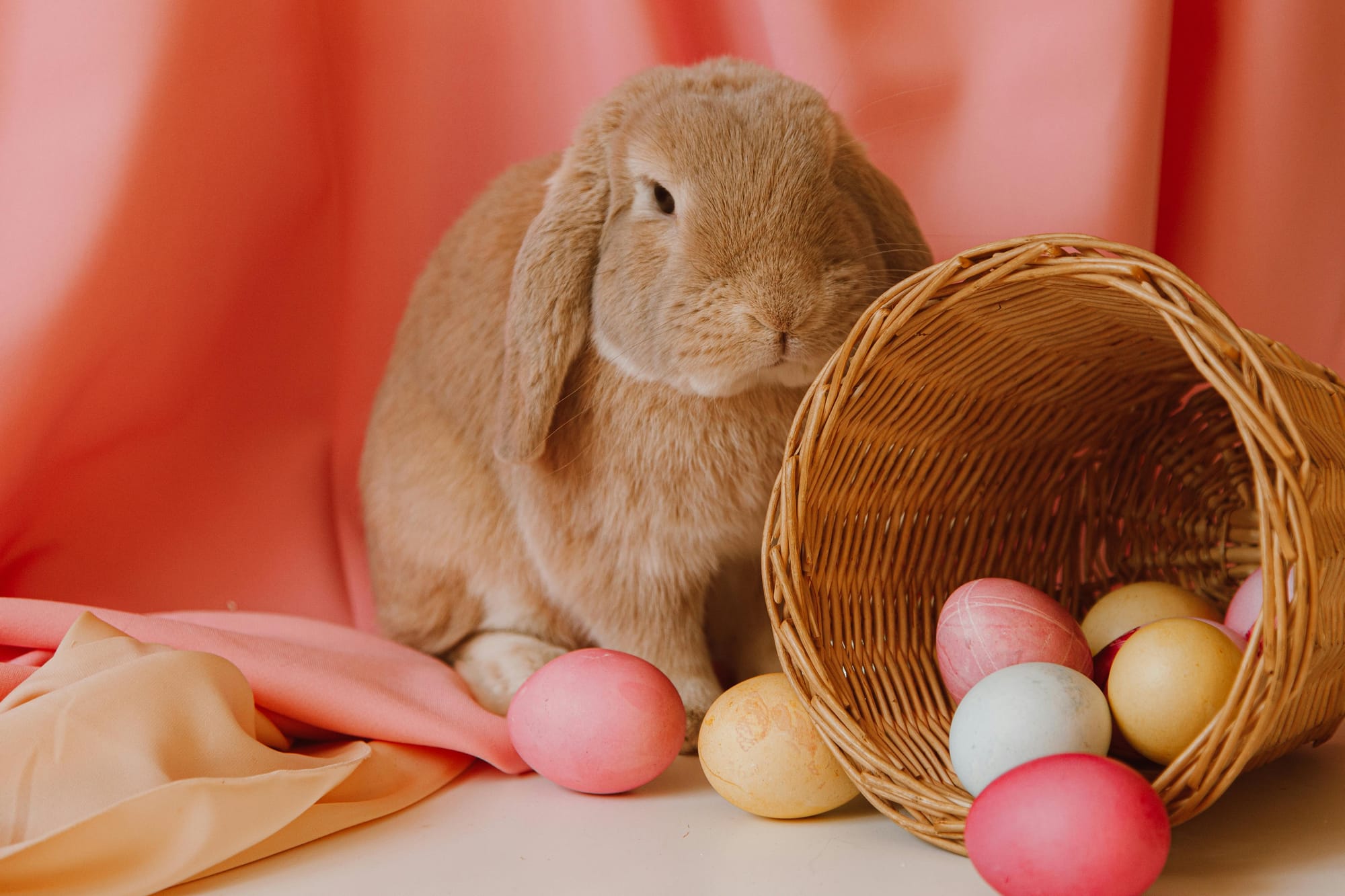
Historians note that some symbols now associated with Easter—particularly eggs and rabbits—have long been linked to fertility and rebirth. Eggs, in particular, were seen as a universal symbol of life, while rabbits were associated with abundance due to their rapid reproduction.
The timing of Easter itself still reflects these seasonal roots. The holiday is observed on the first Sunday after the first full moon following the start of spring, aligning it closely with ancient lunar and seasonal cycles.
Blending of Traditions Over Time
As Christianity spread throughout Europe, many existing customs were adapted into religious observances. Faith leaders and scholars have noted that familiar symbols were often given new meaning within a Christian context.
For example, eggs—once associated with fertility—came to represent resurrection and new life. Similarly, spring celebrations that included feasting after long winters echo aspects of the Lenten season, which culminates in Easter.
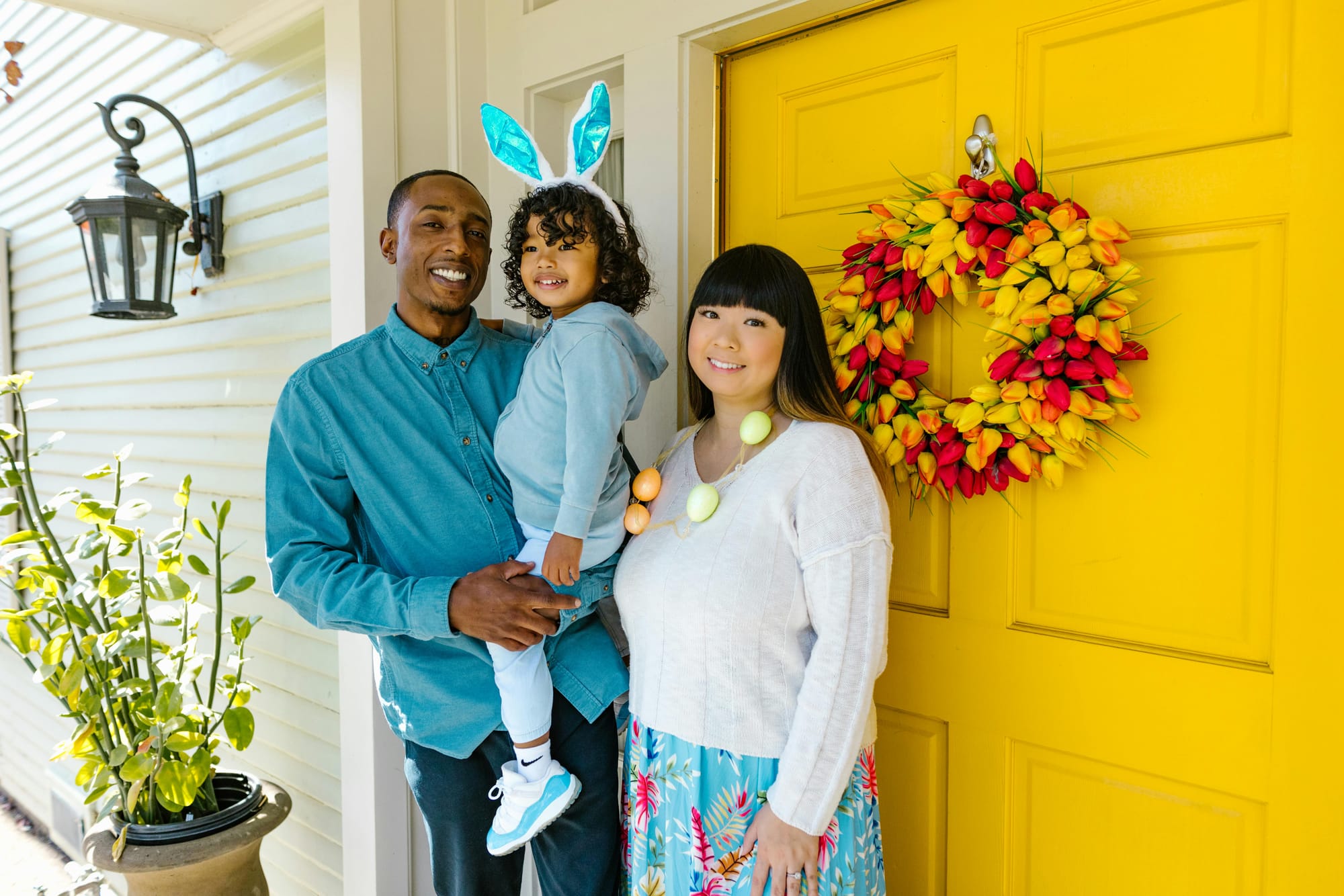
Clothing traditions also have historical ties. Wearing new or bright attire during Easter has been linked to earlier customs that celebrated the arrival of spring with fresh garments, symbolizing renewal and a new beginning.
Symbols That Endured
Other traditions, such as Easter bonnets and pastel colors, are believed to reflect early seasonal practices that honored the return of sunlight and blooming landscapes. Floral crowns and decorative garments were once worn to mark the changing season, a theme that continues today in modern Easter fashion.
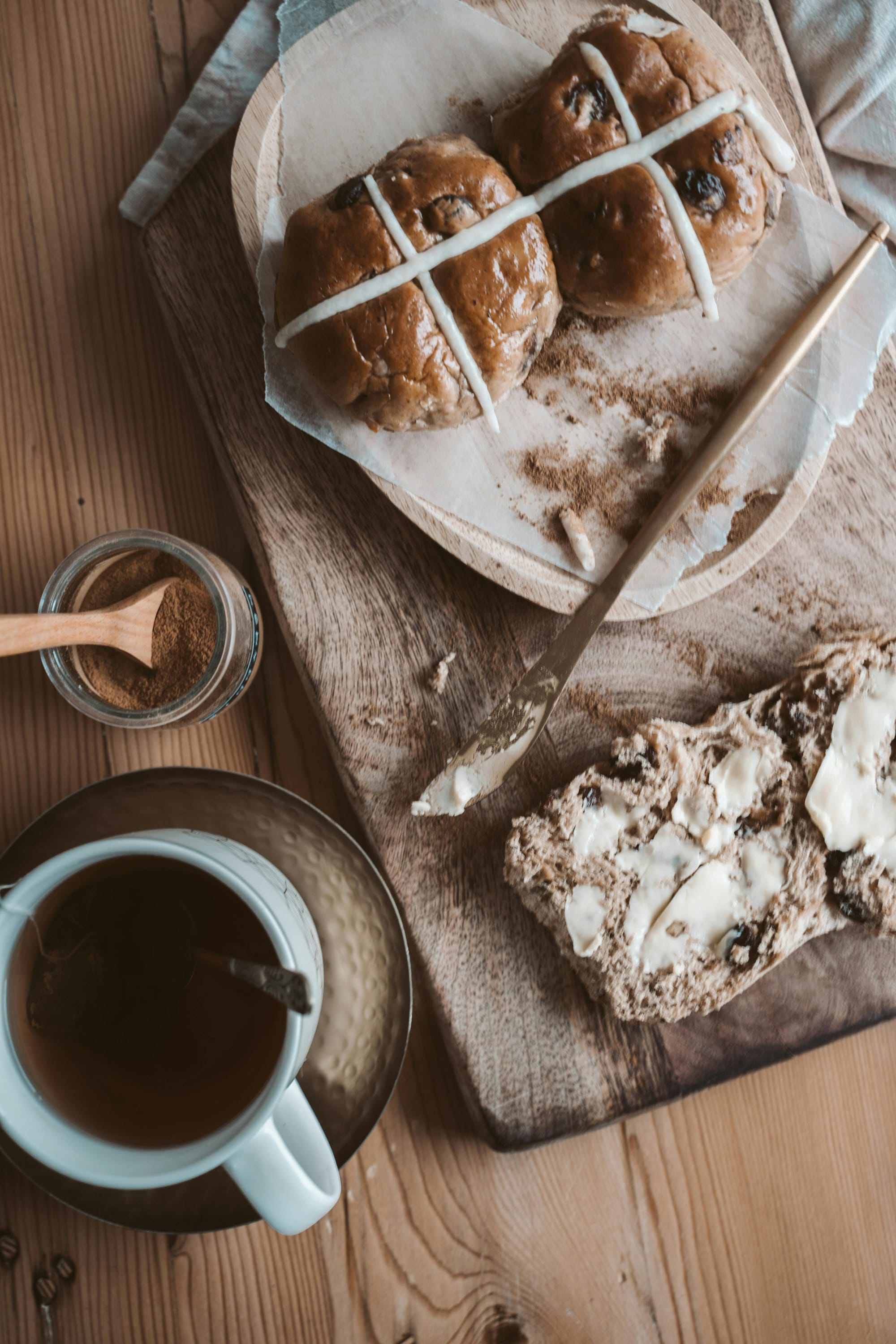
Even traditional foods have historical connections. Dishes like ham and baked goods were often tied to the transition from preserved winter foods to the availability of fresh ingredients in spring. According to, “Pagan Easter Food Traditions,” by Frannie Bogojevich, people ate up the last of the hams they had cured for the winter, since fresh food was soon to be had, and the cross on hot cross buns was originally representative of the moon’s quarters and was another symbol of fertility.
A Holiday of Renewal
While Easter holds deep religious significance for Christians as a celebration of the resurrection of Jesus Christ, its broader themes of renewal, hope and new beginnings continue to resonate across cultures.

Today, whether through faith-based observances, community events or family traditions, Easter remains a time when many pause to reflect on change, growth and the promise of brighter days ahead.
Why This Matters to Atlantic City
Easter celebrations across Atlantic City—from community egg hunts to church services—reflect both longstanding traditions and the city’s cultural diversity. Understanding the history behind these customs adds context to how residents celebrate today, blending faith, family and seasonal renewal.
Thanks for reading the whole story!
At Atlantic City Focus, we're committed to providing a platform where the diverse voices of our community can be heard, respected, and celebrated. As an independent online news platform, we rely on a unique mix of affordable advertising and the support of readers like you to continue delivering quality, community journalism that matters. Please support the businesses and organizations that support us by clicking on their ads. And by making a tax deductible donation today, you become a catalyst for change helping to amplify the authentic voices that might otherwise go unheard. And every contribution is greatly appreciated. Join us in making a difference—one uplifting story at a time!