Black Workers Helped Build the Labor Movement—Even as Unions Excluded Them
From Atlanta’s Black washerwomen to the Pullman porters and A. Philip Randolph, African Americans fought for workers’ rights despite being excluded from much of Labor Day’s official history.
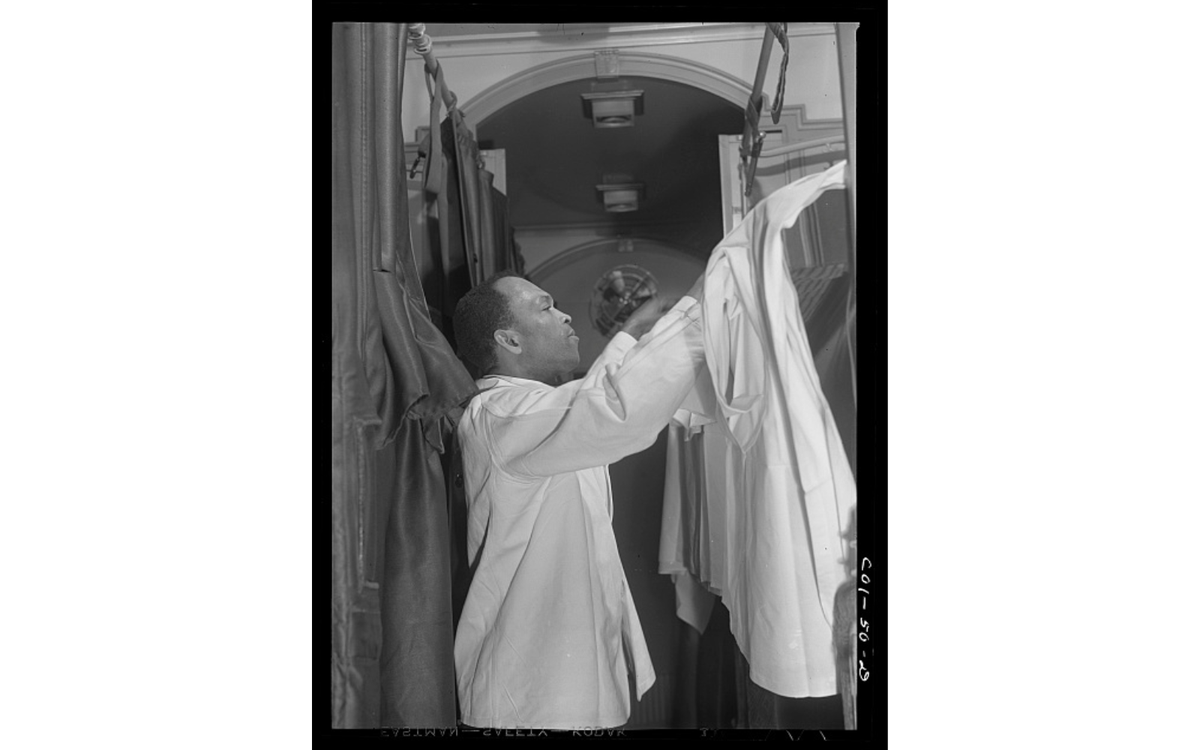
Labor Day honors the American workers whose organizing, sacrifice and determination helped secure better wages, safer workplaces and reasonable working hours. Yet the history commonly told about the holiday often overlooks African American workers—many of whom fought for those same protections while being excluded from the nation’s most powerful labor organizations.
Black labor activism began long before Labor Day became a federal holiday on June 28, 1894.
In 1869, more than 200 delegates gathered in Washington, D.C., to establish the Colored National Labor Union. Under the early leadership of Baltimore ship caulker Isaac Myers, the organization advocated for fair wages, education, land ownership and improved working conditions.
Black dockworkers, domestic workers, washerwomen, farmers, miners and railroad employees also organized within their workplaces. In 1881, for example, predominantly Black washerwomen, formally organized as the Washing Society in Atlanta, launched a strike demanding higher pay, respect and greater control over their labor.
Their efforts were often complicated by racial discrimination. Many white-led unions excluded African Americans or restricted them to lower-paying jobs. Consequently, Black workers were forced to battle both abusive employers and racism within the labor movement.
That exclusion was especially evident during the 1894 Pullman Strike, the landmark labor conflict that helped spur the federal recognition of Labor Day.
Workers who built Pullman railroad cars went on strike after the company reduced their wages without lowering rents in the company-owned community where many lived. The American Railway Union, led by Eugene V. Debs, supported the workers by organizing a nationwide boycott of trains carrying Pullman cars.
African American Pullman porters, however, were denied the union protection extended to many white railroad workers and were excluded from participation in the movement behind the strike. Although the porters worked long hours for low wages and endured degrading treatment, they did not participate in the Pullman walkout. Some Black railroad workers were compelled to cross picket lines or were recruited as replacement workers because the unions that now sought solidarity had previously denied them membership and access to railroad jobs.
The strike was crushed after President Grover Cleveland sent federal troops to intervene. Violence followed, workers were killed and Debs was jailed. Just days after the strike intensified, Cleveland signed legislation making Labor Day a federal holiday in 1894.
Black Pullman porters would later build a labor movement of their own. In 1925, they organized the Brotherhood of Sleeping Car Porters under the leadership of A. Philip Randolph. After a 12-year struggle, the union secured a landmark agreement with the Pullman Company in 1937, gaining higher wages, shorter hours and greater workplace protections.
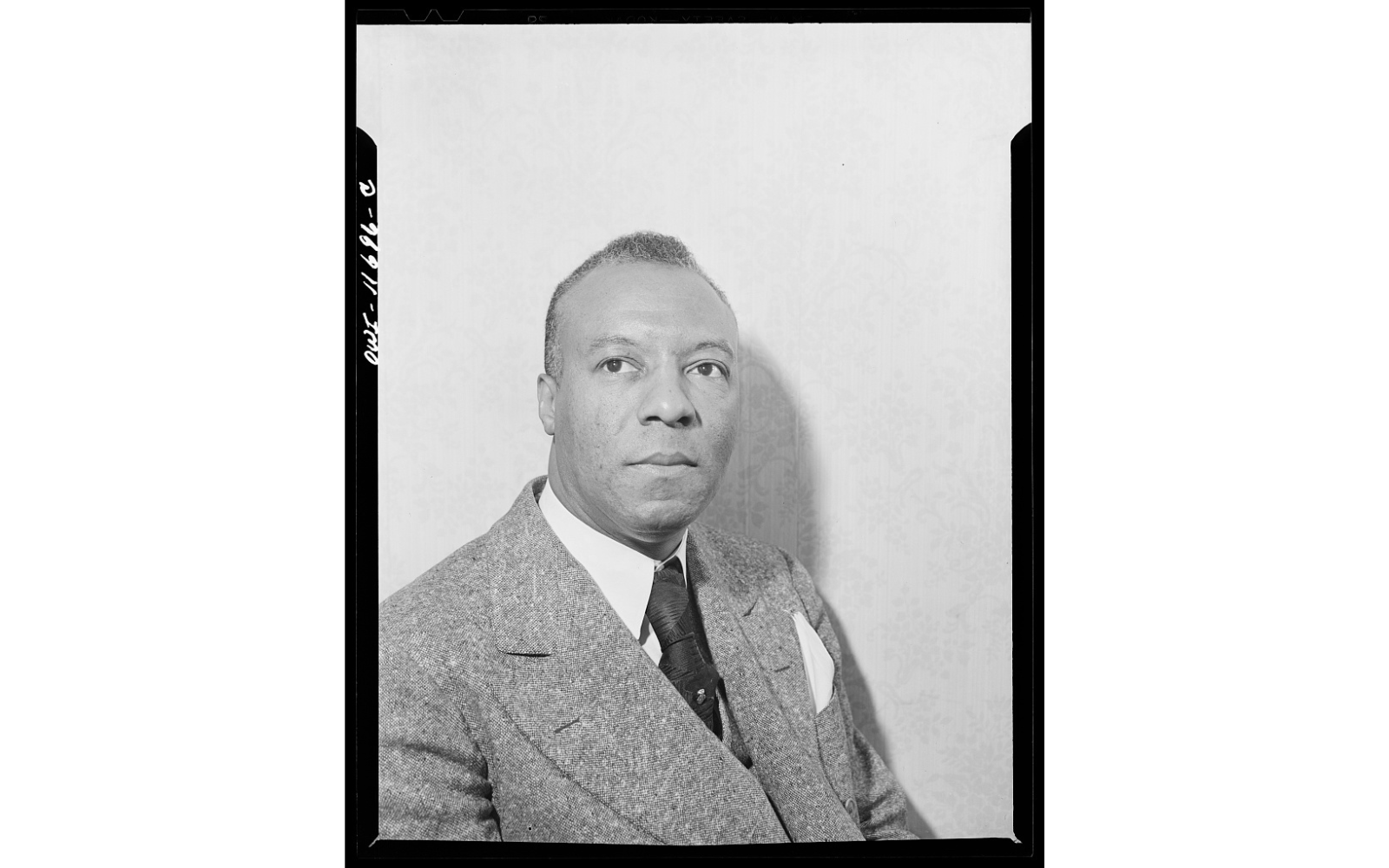
Randolph later became one of the nation’s most influential civil-rights and labor leaders, demonstrating that the movements for economic justice and racial equality could not be separated.
African Americans may have been largely excluded from Labor Day’s official formation, but they were never absent from the struggle the holiday represents. Their labor built American industries, and their organizing expanded the meaning of workers’ rights—even when the nation’s unions did not extend those rights equally to them.
Thanks for reading the whole story!
At Atlantic City Focus, we're committed to providing a platform where the diverse voices of our community can be heard, respected, and celebrated. As an independent online news platform, we rely on a unique mix of affordable advertising and the support of readers like you to continue delivering quality, community journalism that matters. Please support the businesses and organizations that support us by clicking on their ads. And by making a tax deductible donation today, you become a catalyst for change helping to amplify the authentic voices that might otherwise go unheard. And every contribution is greatly appreciated. Join us in making a difference—one uplifting story at a time!