August Is National Make-A-Will Month: Why Estate Planning Matters for Your Family
According to a Pew Research Center study, 68% of Americans do not have a will (as only about 32% report having one). Paula Goddard explains how wills, trusts, beneficiaries and a careful inventory of your assets can help protect your legacy and reduce family conflicts after your death.
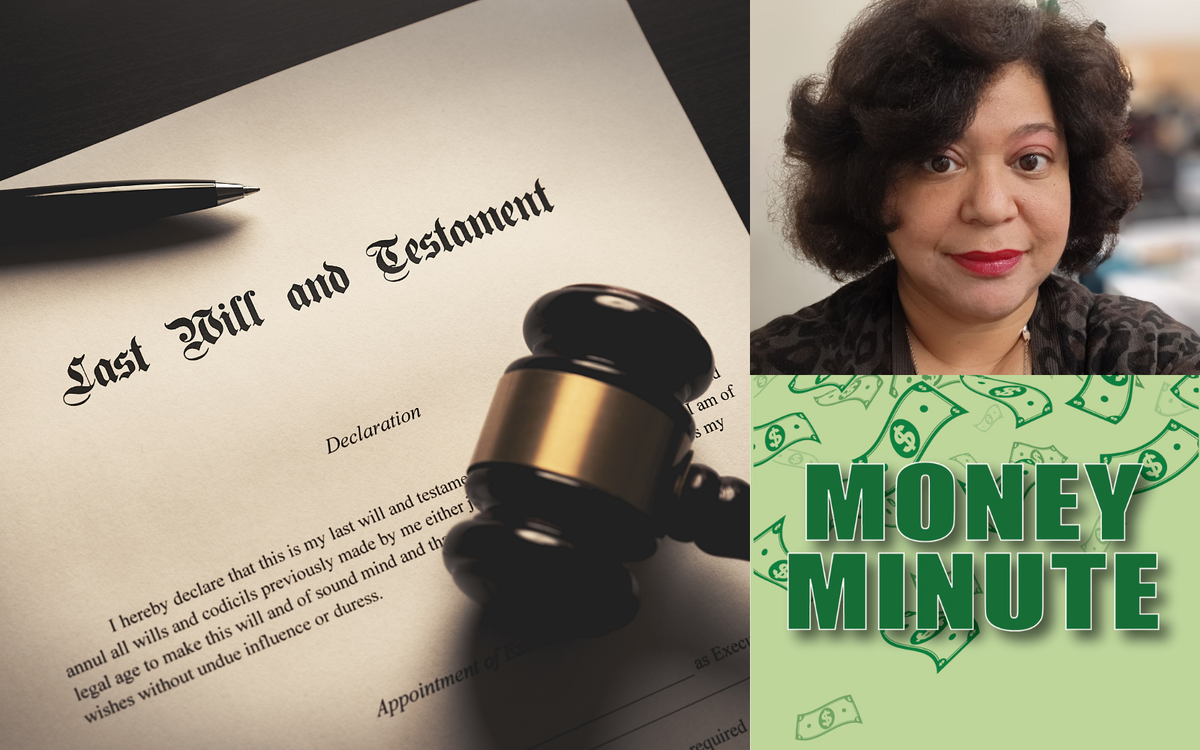
Emotions among families can become as hot as an August heat wave when disputes arise over “who gets what” after a relative passes away. Even business entities can sometimes become part of the fray when dealing with a decedent’s estate. Preparation is key to avoiding such conflicts.
August is National Make-A-Will Month. Yet many Americans do not have a will. Now is a good time to create a will or review and update an existing will and other estate-planning documents. When engaging in estate planning, keep these two words in mind: Preserve and Protect.
The legal term for a will is last will and testament. Basically, a will is a legal document that helps determine not only “who gets what,” but also in what proportion.
When a person dies, their estate generally includes possessions, financial accounts, real estate and other assets. When a person dies without a valid will, they are said to have died intestate. Each state has “intestate succession” or “intestacy” laws that determine how certain assets are distributed when someone dies without a will. Depending on the state and family circumstances, spouses, children, parents, siblings and other relatives may be among those entitled to inherit.
Probate is the legal process through which a deceased person’s estate is administered, including addressing debts and distributing assets to heirs or beneficiaries. Probate procedures vary by state and can apply whether or not the decedent left a will.
A properly established and funded living trust, also known as a revocable living trust, can allow certain assets to pass to beneficiaries without going through probate. However, whether a trust is appropriate depends on an individual’s circumstances and how assets are titled.
A last will and testament can be a foundational document in an estate plan, but additional documents and planning strategies may be needed to address the distribution and management of both tangible and intangible assets.
Many people do not consider intangible assets, including intellectual property (IP), patents, trademarks and copyrights. As a writer, for example, your intellectual property could include manuscripts, books, video and audio recordings of plays and musicals, blog posts, journalism and more. As someone who teaches about IP, I encourage you to take inventory of anything you own that could fall into the intellectual-property category.
Common Misconceptions
Some common misconceptions about wills prevent people from creating one or updating an existing one.
Many people think they need to be wealthy to have a will. People also may not realize how valuable their possessions and other assets are, so they fail to create a legal plan addressing how those assets should be distributed.
Married people may assume their spouse or children will automatically receive everything in their estate. However, what happens to a person’s assets can depend on state law, how the assets are titled and whether beneficiaries have been designated.
Leaving assets to minors or individuals with special needs also requires careful planning. For example, directly leaving certain assets to a person who receives needs-based government benefits could affect that person’s eligibility for those benefits.
On the other side of the coin, unmarried couples should not assume that a long-term relationship or cohabitation automatically provides the same inheritance rights as marriage. Laws vary significantly by state, making estate planning particularly important for unmarried couples, especially when they own property together.
As someone who has worked for attorneys, I cannot stress enough the importance of receiving professional guidance and services from a qualified attorney when it comes to wills, trusts and other estate-planning issues. Keep in mind that laws change and vary from state to state.
Basic Estate-Planning Documents
Depending on your circumstances, an estate plan may include documents designed to address medical care, decision-making authority and the distribution of assets, including:
- Living Will
- Living Trust/Revocable Living Trust
- Advance Healthcare Directive
- Power of Attorney, including general, financial and healthcare powers
- HIPAA Authorization
- Letter of Intent
- Last Will and Testament
I recommend the YouTube channel Ayers Law TV. Videos by Andrew M. Ayers, Esq., provide easy-to-understand explanations and real-life examples involving various estate-planning issues. For example, check out his short video explaining the difference between a will and a trust.
Will vs. Trust | The Difference Between a Will and a Trust
Inventory Helps You Understand Value
I encourage you to take a basic inventory of your physical possessions, financial accounts — including retirement accounts — real estate and other assets.
At the bottom of all my Money Minute articles, I advertise a free Financial Needs Analysis, aka FNA. This tool provides an overview of your current financial situation and can help identify areas that may require additional attention as you develop a strategy to protect yourself and your family financially.
“One Man’s Trash Is Another Man’s Treasure”
When taking inventory of your physical possessions, consider your collectibles. That train set you’ve had since childhood, those Jordans, that autographed or limited-edition electric guitar and other musical instruments may have more than sentimental value — they could also be worth a significant amount of money.
One reason collectors love estate sales is that families may not always know the financial value of their loved one’s possessions, creating opportunities for buyers to find valuable items at bargain prices.
In the antiques trade, objects that are at least 100 years old are generally considered antiques. The term “vintage,” however, can be used more broadly and does not have one universally accepted age definition.
The article Differences Between Antique, Vintage and Retro from Laurel Crown of San Mateo, California, can help explain some of these commonly used terms when evaluating furnishings.


The journalist part of me loves that you are reading my personal finance and economics articles for your enjoyment and education. However, the financial planner part of me longs for you to take action.
In slang terms: “Don’t just talk about it, be about it.”
Letter of Intent
A Letter of Intent (LOI) is not always mentioned when discussing wills and trusts. However, this nonbinding document can be an important addition to an estate plan.
While a last will and testament provides an opportunity to specify how certain assets should be distributed, an LOI can provide supplemental guidance and clarification for executors, trustees and family members.
Some examples of information that may be included in a Letter of Intent are:
- Personal messages to heirs
- Funeral or memorial service instructions and preferences
- Care instructions for elderly relatives, children, other dependents or pets
- Information about financial and legal assets, including financial accounts, safe-deposit boxes, insurance policies and investment accounts
- Notes concerning heirlooms and personal items not specifically addressed in the will
JB Bryan, owner of JB Bryan Financial Group Inc. and creator of AfroEconomics, considers the Letter of Intent an important step in estate planning.
It is important to remember that a Letter of Intent generally does not replace legally binding estate-planning documents. Discuss your individual circumstances and the appropriate use of an LOI with a qualified attorney.
LegalShield
I am a longtime LegalShield member. Depending on the membership plan and applicable terms, members may have access to certain estate-planning services, which can include assistance with documents such as:
- Will
- Power of Attorney
If you are interested in a LegalShield membership, contact me at (202) 922-5851 or visit my Primerica website.
Beneficiaries
Now, I’m not one to get in your business — states the writer as she sips from a cup of tea — but I encourage you to think carefully about whom or what you want to benefit from your estate.
I gently suggest that you avoid leaving all your worldly possessions to Fluffy, your cat, or Killer, your dog. Yes, your beloved pets and “fur babies” may mourn your loss, but they haven’t the slightest idea how to manage your estate.
In fact, pets generally cannot directly inherit money or real estate because they are legally considered property. Depending on applicable state law, options for providing for a pet may include naming a caregiver and establishing a pet trust.
You may also want to consider leaving assets or charitable gifts to favorite charities, nonprofit organizations, schools or religious organizations such as churches, mosques or temples. Some organizations offer legacy-giving programs for planned charitable gifts, which may have tax implications or benefits depending on your circumstances.
Your estate planning should also address your wishes for the care of minor children, pets and other dependents. For example, you may have an adult child with special needs who is unable to live independently, receives home care or resides in a specialized facility.
Remember that instructions in a Letter of Intent generally do not override legally controlling documents or beneficiary designations.
In the words of the Hatter from Lewis Carroll’s Alice’s Adventures in Wonderland, “If you knew Time as well as I do, you wouldn’t talk about wasting it.”
Our modern take on that sage advice is simple: Don’t put off until tomorrow what can be done today.
So, stop your lollygagging and get yourself a legal plan that clearly communicates how you want your affairs handled when you transition from this earthly realm.
Get a free Financial Needs Analysis:
Call (202) 922-5851
Use code AC Focus
(Editor's Note: This column is for informational and educational purposes only and should not be considered legal, tax or financial advice. Consult qualified professionals regarding your individual circumstances.)
Paula Goddard is a contributing writer for Atlantic City Focus. She is an award-winning writer, personal finance advisor, community organizer and educator. She can be reached on social media at @paulasuniverse, by email at pgMoneyMinute@gmail.com or by telephone at (202) 922-5851. For news-related issues, email paulagoddard4atlanticcityfocus@gmail.com.
Thanks for reading the whole story!
At Atlantic City Focus, we're committed to providing a platform where the diverse voices of our community can be heard, respected, and celebrated. As an independent online news platform, we rely on a unique mix of affordable advertising and the support of readers like you to continue delivering quality, community journalism that matters. Please support the businesses and organizations that support us by clicking on their ads. And by making a tax deductible donation today, you become a catalyst for change helping to amplify the authentic voices that might otherwise go unheard. And every contribution is greatly appreciated. Join us in making a difference—one uplifting story at a time!