
A Century in Motion: Harlem Globetrotters Celebrate 100 Years During Black History Month’s Centennial
The legendary team’s centennial season honors its past while inspiring the next generation of global ambassadors.
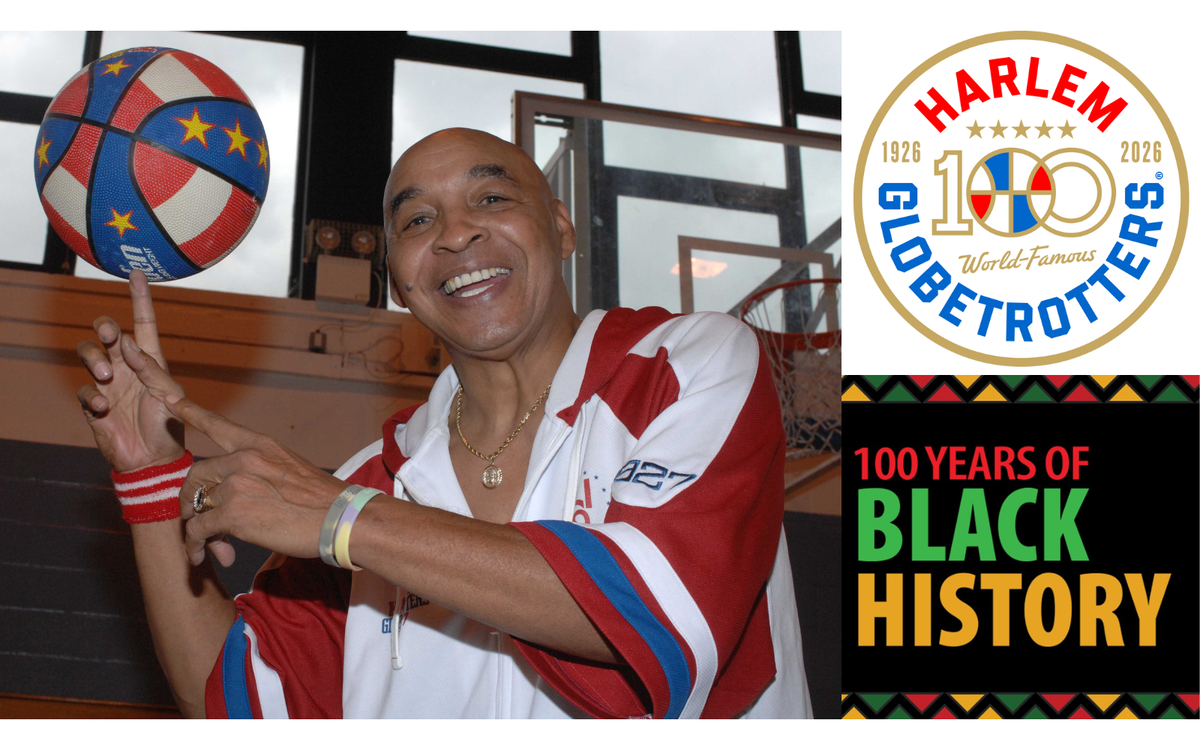
(The Harlem Globetrotters Play at Atlantic City Boardwalk Hall on Monday, February 16, 2026. Click here to learn more and purchase your tickets. The Globetrotters play in Philadelphia at Liacouras Center on Thursday, February 19, 2026. Click here to get tickets to the Philadelphia game.)
As Black History Month marks its own historic milestone—100 years since its founding—one of the most recognizable and influential Black institutions in American sports is celebrating a centennial of its own.
The Harlem Globetrotters, founded in 1926, are in the midst of their 100th anniversary season, honoring a legacy that stretches far beyond basketball courts and box scores. For a century, the Globetrotters have served as pioneers, innovators, and cultural ambassadors—using sport as a platform for Black excellence, global diplomacy, and social progress.

As part of their centennial 100 Year Tour, the Harlem Globetrotters are scheduled to play at Boardwalk Hall on February 16, 2026, at 2 p.m., bringing a century of Black excellence, joy, and innovation to one of New Jersey’s most historic cities. They play in Philadelphia on Thursday, February 19, 2026, at the Liacouras Center.
For Atlantic City—a place with its own deep ties to Black history, culture, and entertainment—the return of the Globetrotters offers more than an afternoon of basketball. It’s a moment where global legacy meets local tradition, connecting generations of fans to a story that continues to inspire, entertain, and uplift.
Breaking Barriers Before Integration
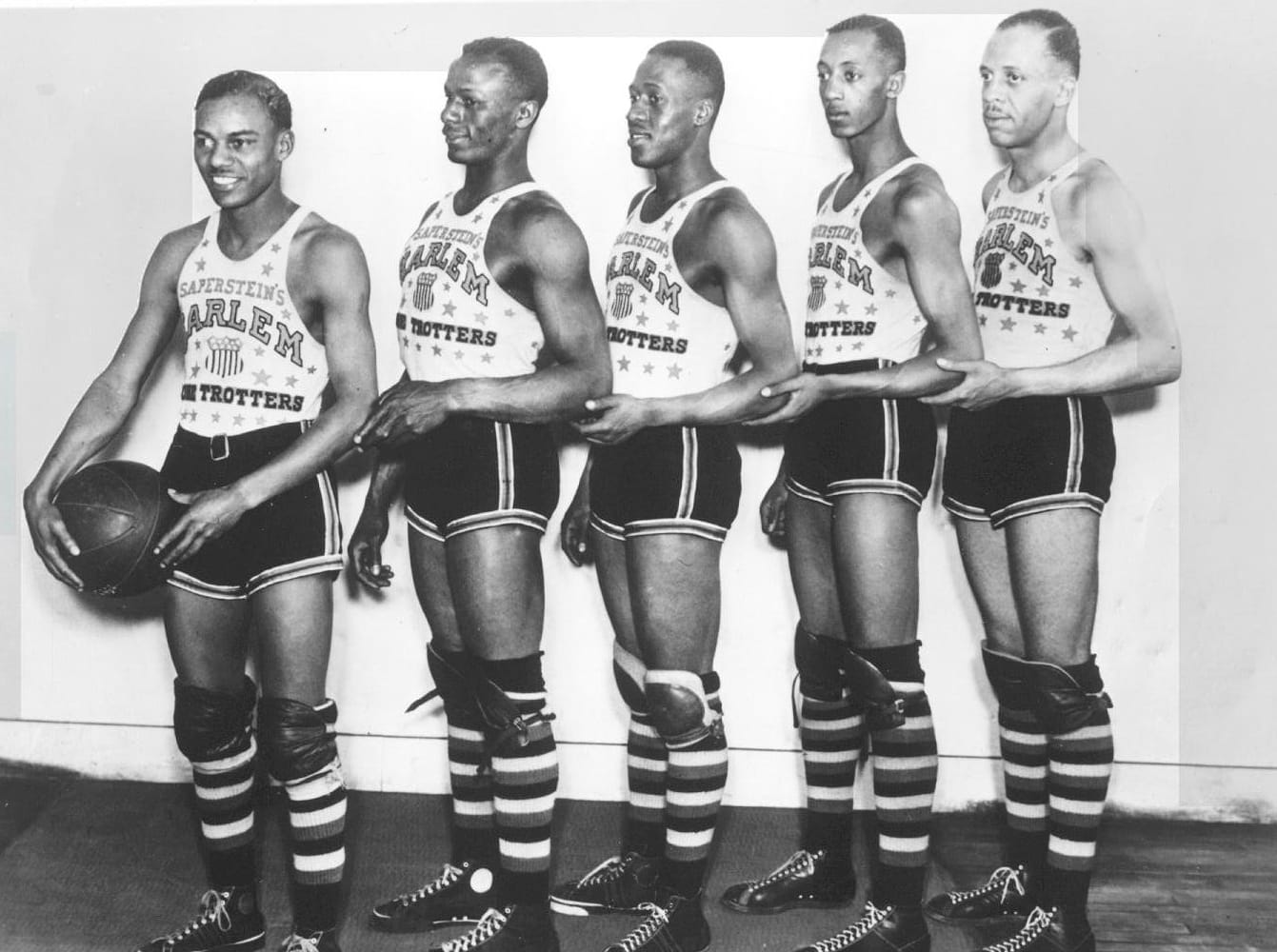
Long before professional basketball was integrated, the Harlem Globetrotters carved out space for Black athletes to perform at the highest level, combining elite skill, creativity, and showmanship at a time when opportunity was limited by segregation. Their success challenged stereotypes, broke barriers, and helped redefine what was possible for Black athletes in America and around the world.
From packed arenas across the United States to international tours spanning more than 120 countries, the Globetrotters became global symbols of joy, talent, and resilience.
More Than a Game: Character, Community, and Responsibility
Zoltan Berencsi, producer of the current run of show for the Globetrotters and a longtime steward of the organization’s history, said the team has always prided itself on being intentional and responsible.
“Everyone who earns the right to put on that jersey understands they’re stepping into something much bigger than just basketball,” Berencsi said. “I’ve seen it firsthand producing shows for 20 years—players taking time with kids after shows, visiting schools, hospitals, military bases, and places where a smile or a laugh genuinely matters.”
“That doesn’t happen by accident,” he added. “We’ve always emphasized character as much as talent. The players don’t just entertain—they represent the brand and the values behind it.”
Global Impact—and a Complicated History
Lahh Woods, of Frontcourtmasters.com—which operates the New York Senior Citizens League and Tri-Boro Legends Wheelchair Basketball while coordinating leagues and events worldwide—said the Globetrotters’ reach extended well beyond the court.
“The Trotters, as examples of athletic supremacy and superb showmanship, made an incredible social impact by introducing elements of African culture and physical presence across the globe,” Woods said.
At the same time, Woods acknowledged the organization’s complicated history.
“With all of those great accomplishments, the fact remains that the Globetrotters were white-owned for decades,” Woods said.
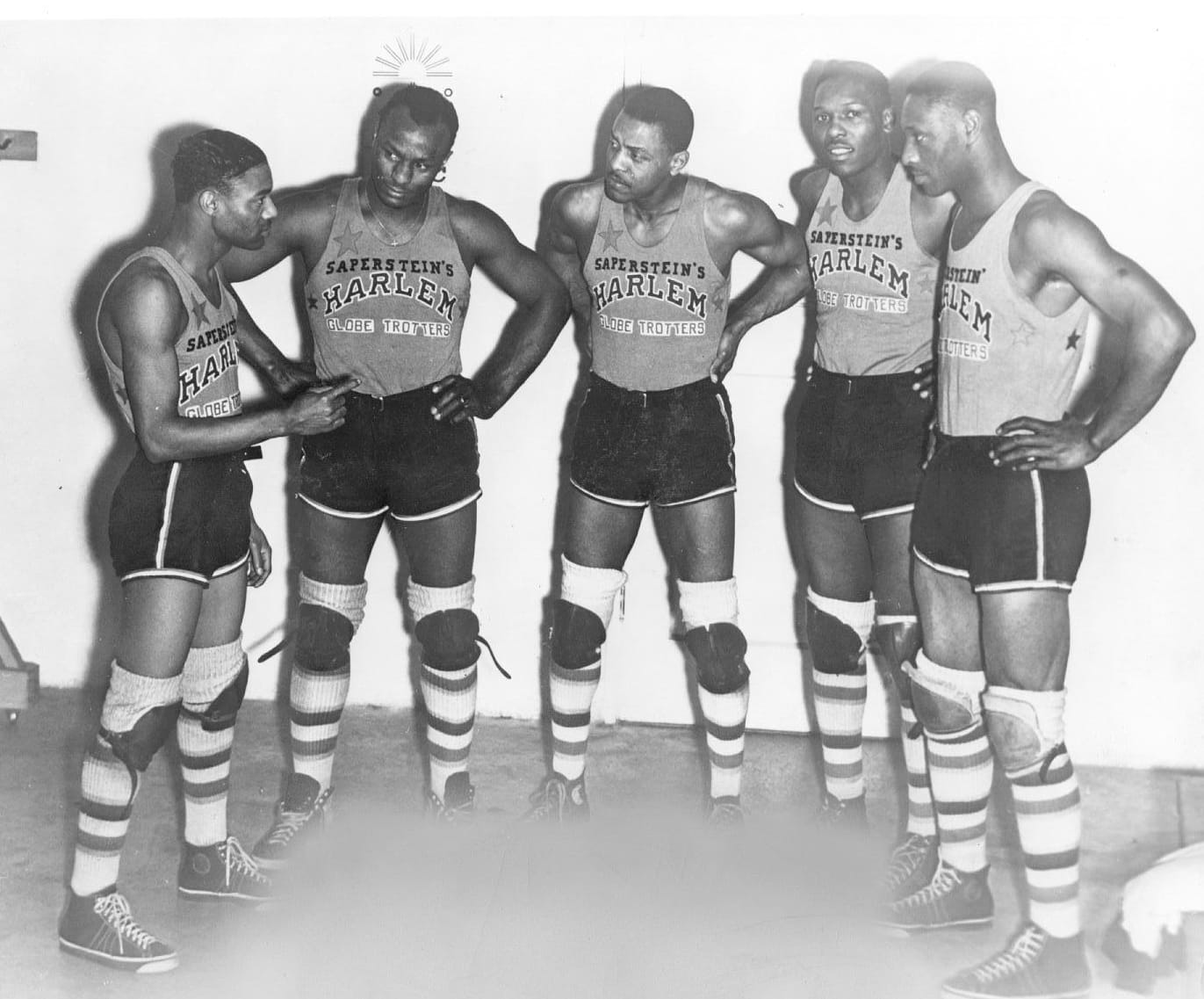
“Founder Abe Saperstein was accused of poorly compensating players, and some complained of being overworked and underpaid," Woods said. "Over time—particularly during the civil rights era—conditions improved as America itself began to redefine opportunity for Black professional athletes.”
Contemporaries and Competition: The Harlem Rens
Woods also noted that the Globetrotters did not exist in a vacuum. One of their lesser-known contemporaries was the New York Renaissance Basketball Team—better known as the Harlem Rens—who defeated the Globetrotters in 1939 and went on to win the inaugural World Professional Basketball Tournament in Chicago.
Despite the Rens’ success, it was the Globetrotters who ultimately captured worldwide notoriety and acclaim.
Innovation on the Court: Marcus Haynes and a New Style of Play
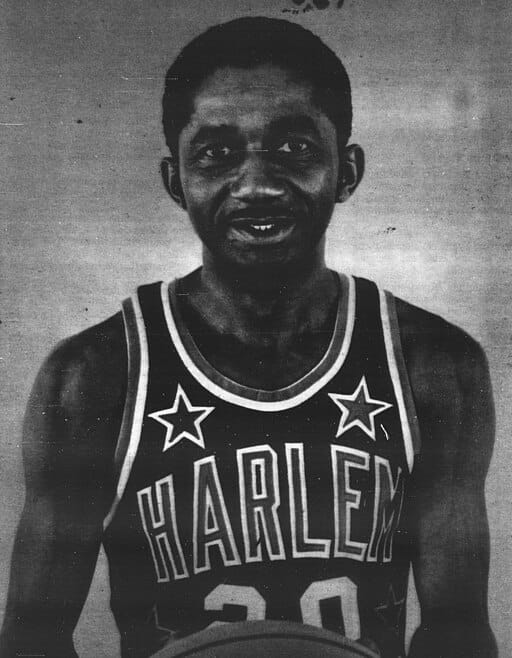
One figure who expanded the Globetrotters legacy was Marcus Haynes, who rose to prominence beginning in the late 1940s and became one of the most influential dribblers in basketball history, known for his lightning-fast ball control and improvisational style that blurred the line between sport and performance.
His artistry helped define the Globetrotters’ identity during the post-World War II and early television era, inspiring generations of guards and influencing the evolution of modern ball-handling long before it became commonplace in professional basketball.
Changing Basketball—and the World
In 1950, the Globetrotters famously defeated the Minneapolis Lakers—an event widely credited with accelerating the integration of the NBA. In 1951, the U.S. State Department formally recognized the team as “Ambassadors of Goodwill,” cementing their role in sports diplomacy during the Cold War era and beyond.
"The Globetrotters have always met people where they are. From playing in Berlin in 1951, when we were given the title “Ambassadors of Goodwill,” by the US state department to today in every single venue we play around the world," Berensci said. "No matter the country, the culture, or the language barrier, the reaction is the same: joy."
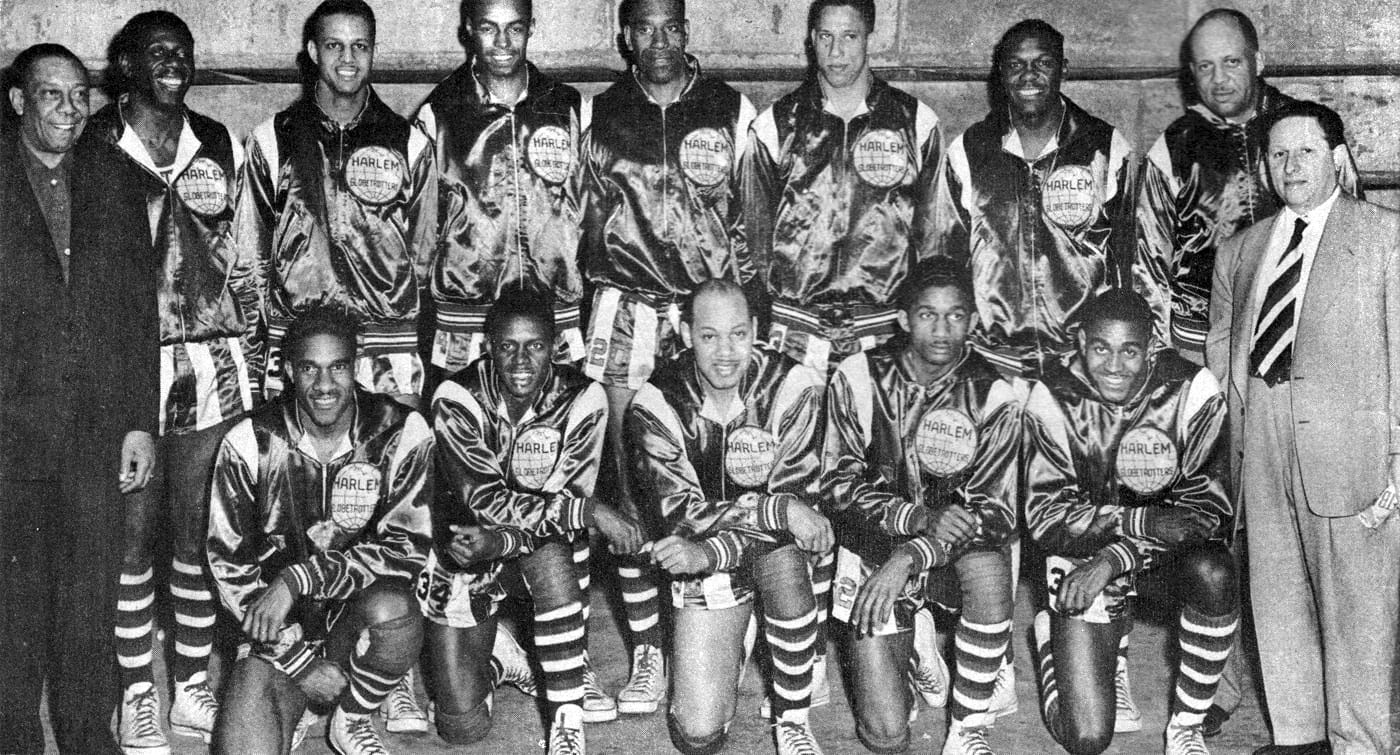
Hall of Fame Legacy and Cultural Reach
Through the years, the team established a legacy that has continued through generations. The Harlem Globetrotters became the first basketball team ever inducted into the Naismith Memorial Basketball Hall of Fame and today hold more than 80 Guinness World Records, the most of any professional sports organization.

Their influence expanded into film, television, education initiatives, and global community engagement—while remaining rooted in a tradition of excellence that emerged from Black America.
The 1970s: Pop Culture Icons
During the 1970s, the Globetrotters reached a level of mainstream cultural saturation unmatched by any basketball team before or since, driven largely by Curly Neal and Meadowlark Lemon.
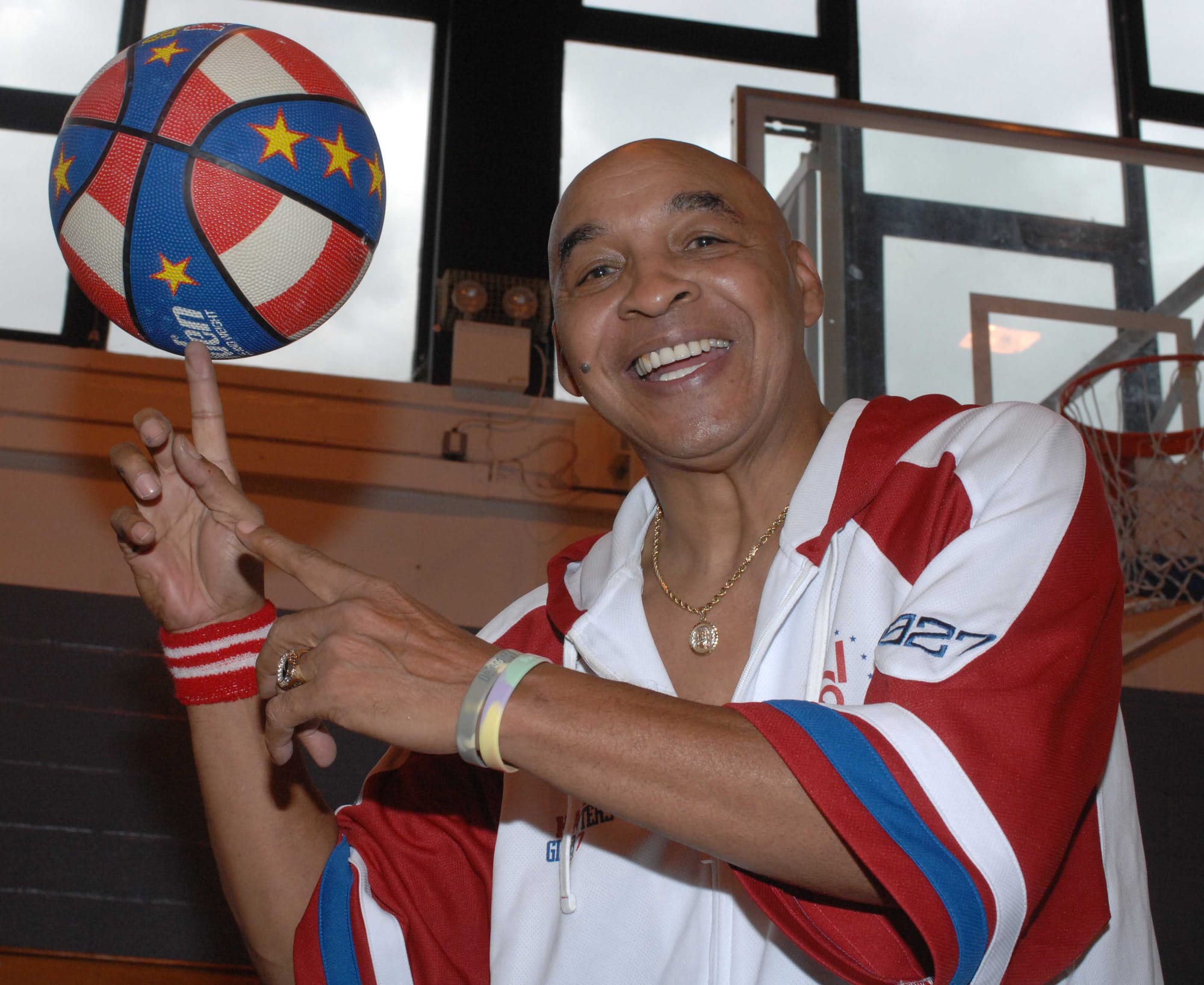
Neal’s ball-handling wizardry—punctuated by his signature head shake—built on Haynes’ foundation, transforming basketball into a form of performance art. Lemon’s charisma, leadership, and infectious smile made him the emotional heart of the team.
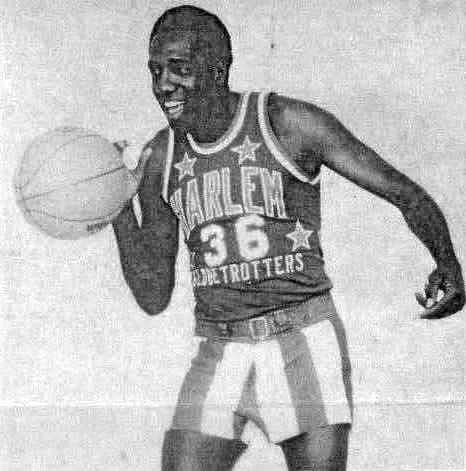
Together, they carried the Globetrotters beyond arenas and into American pop culture, starring in television specials, variety shows, and the 1970 Hanna-Barbera Saturday morning cartoon Harlem Globetrotters. The show introduced millions of children to the Globetrotters as both athletes and role models.
At a time when Black representation on television was still limited, Neal and Lemon were portrayed as intelligent, funny, confident, and heroic—quietly reshaping how Black excellence was seen by young audiences around the world. Their crossover success in TV, film, and animation cemented the 1970s era as a defining chapter in Globetrotters history, proving that the team’s influence extended far beyond basketball and into the cultural imagination of an entire generation.
A Personal Connection Across Generations
Atlantic City Public Schools Athletic Director Chris Ford, Jr., discovered the team in the 1970s, attending games with his family and collecting photos with Neal and other players.
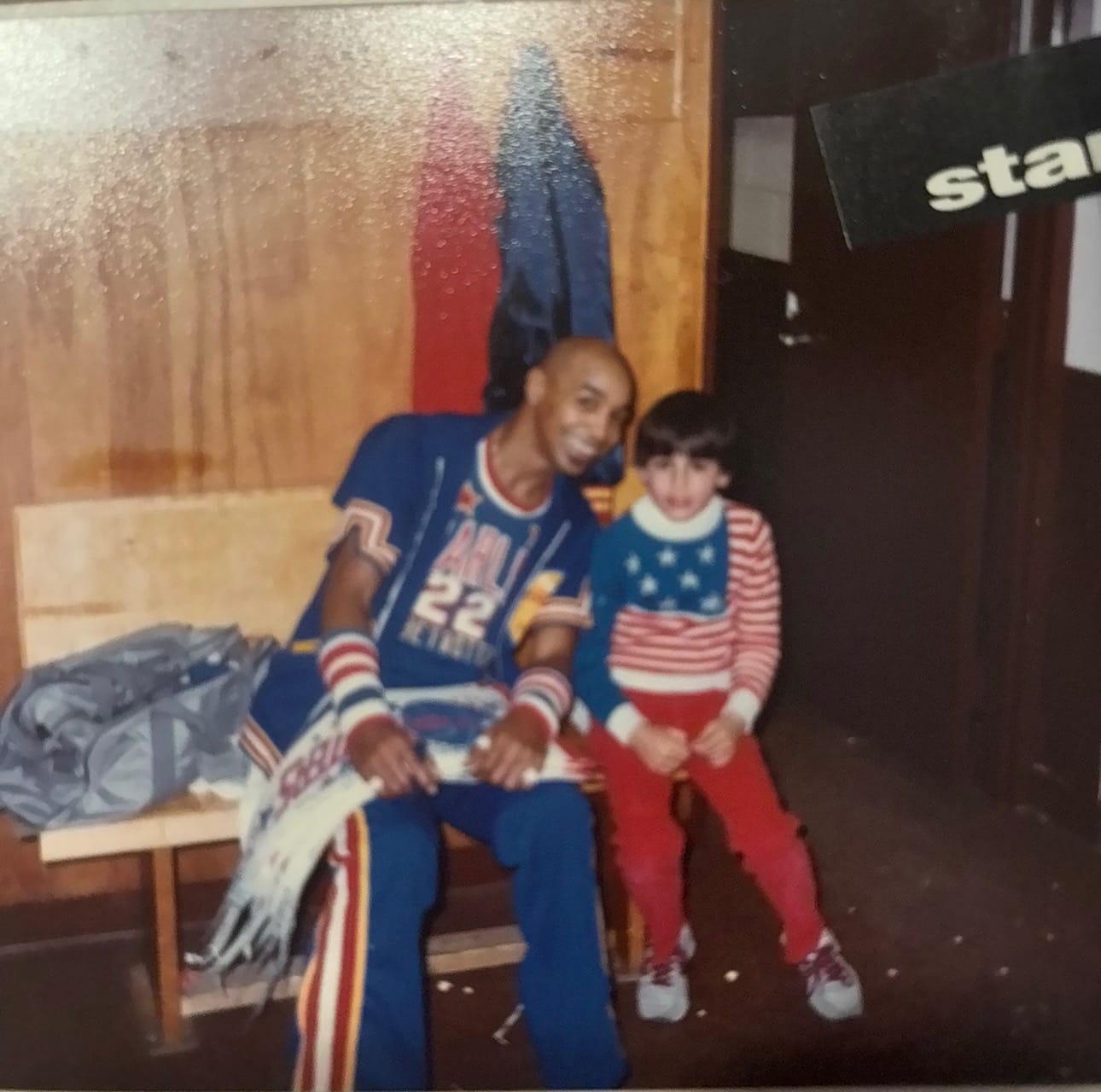
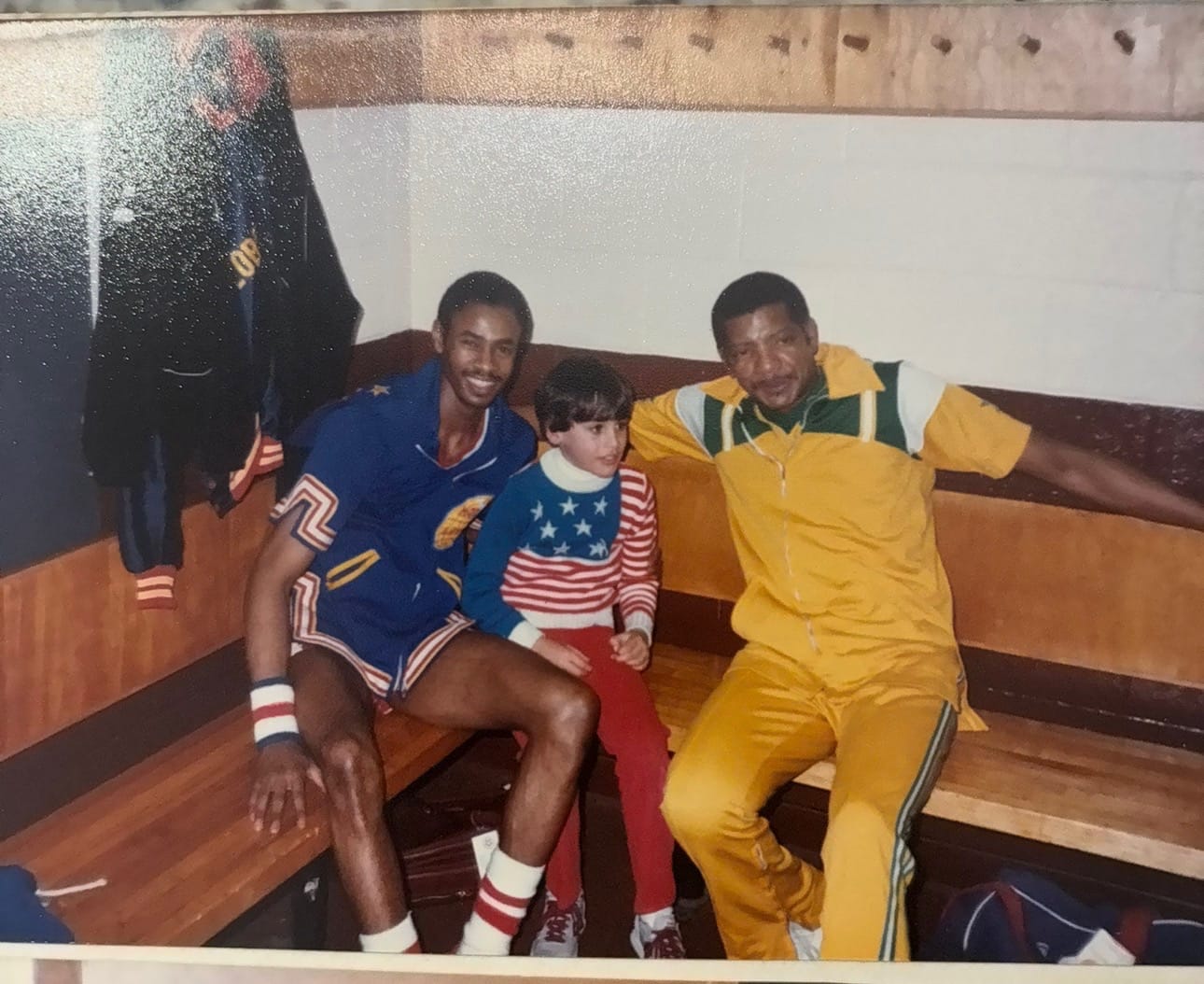
A young Chris Ford sits with Curley Neal (Left) and with a member of the Globetrotters and the Washington Generals.
"I have loved basketball for my entire life, and when I was a child, the Harlem Globetrotters furthered that love. Their combination of entertainment, laughs, and skills brought me to a new level of enjoyment," said Ford. "Their passing and dribbling skills were unbelievable. And, their “magic circle” was always great entertainment." Ford said that he also loved the song “Sweet Georgia Brown,” and listened to a 45-rpm record of it while playing nerf basketball in his basement.
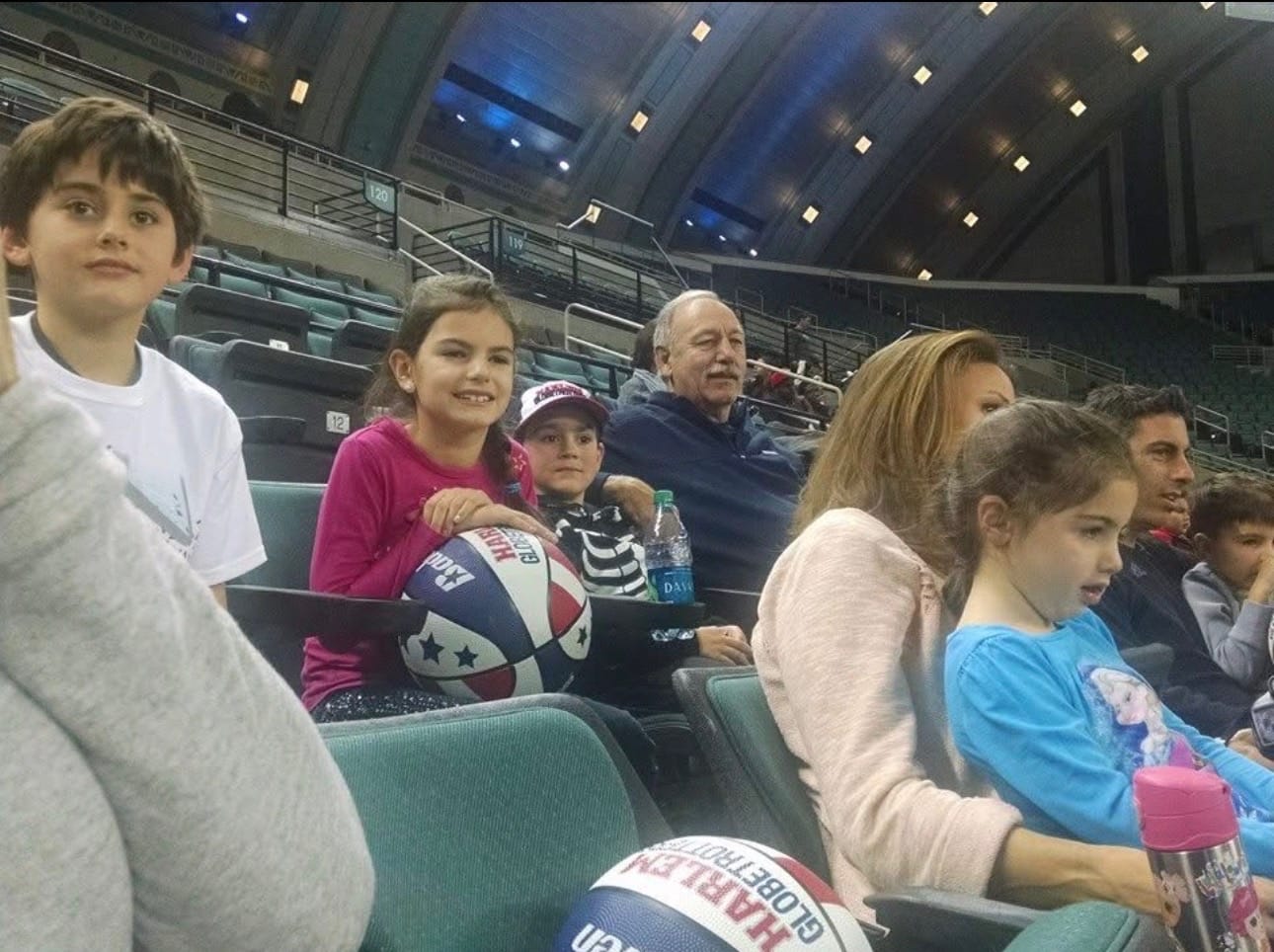
Ford later passed the Globetrotters tradition on to his son, CJ, taking him to see the team at Boardwalk Hall in 2015.
Breaking Gender Barriers: Lynette Woodard
In the 1980s, the Globetrotters again proved themselves a groundbreaking organization with the addition of the first female globetrotter Lynette Woodard. She ushered the Globetrotters into a new chapter when she joined the team in 1985, breaking gender barriers in one of the most visible sports entertainment brands in the world. Already an Olympic gold medalist and one of the greatest women’s basketball players of her era, Woodard’s presence during the 1980s symbolized both progress and possibility, expanding representation at a time when women’s professional basketball opportunities were still limited.
"The world changes, generations change, but the Globetrotters keep showing up with positivity, respect, and love that brings people together," Berensci said. "I think that authenticity is why the connection with fans still feels real after nearly 100 years."
The Next Chapter of a Historic Legacy
Now well into their centennial season—branded as “The 100 Year Tour”—the Globetrotters continue to honor that history while looking ahead. The tour officially tipped off with a special event at Madison Square Garden in December, 2025, and will continue across more than 200 domestic markets and 125 international destinations throughout 2026, reaching audiences across Europe, Asia, Latin America, and beyond.
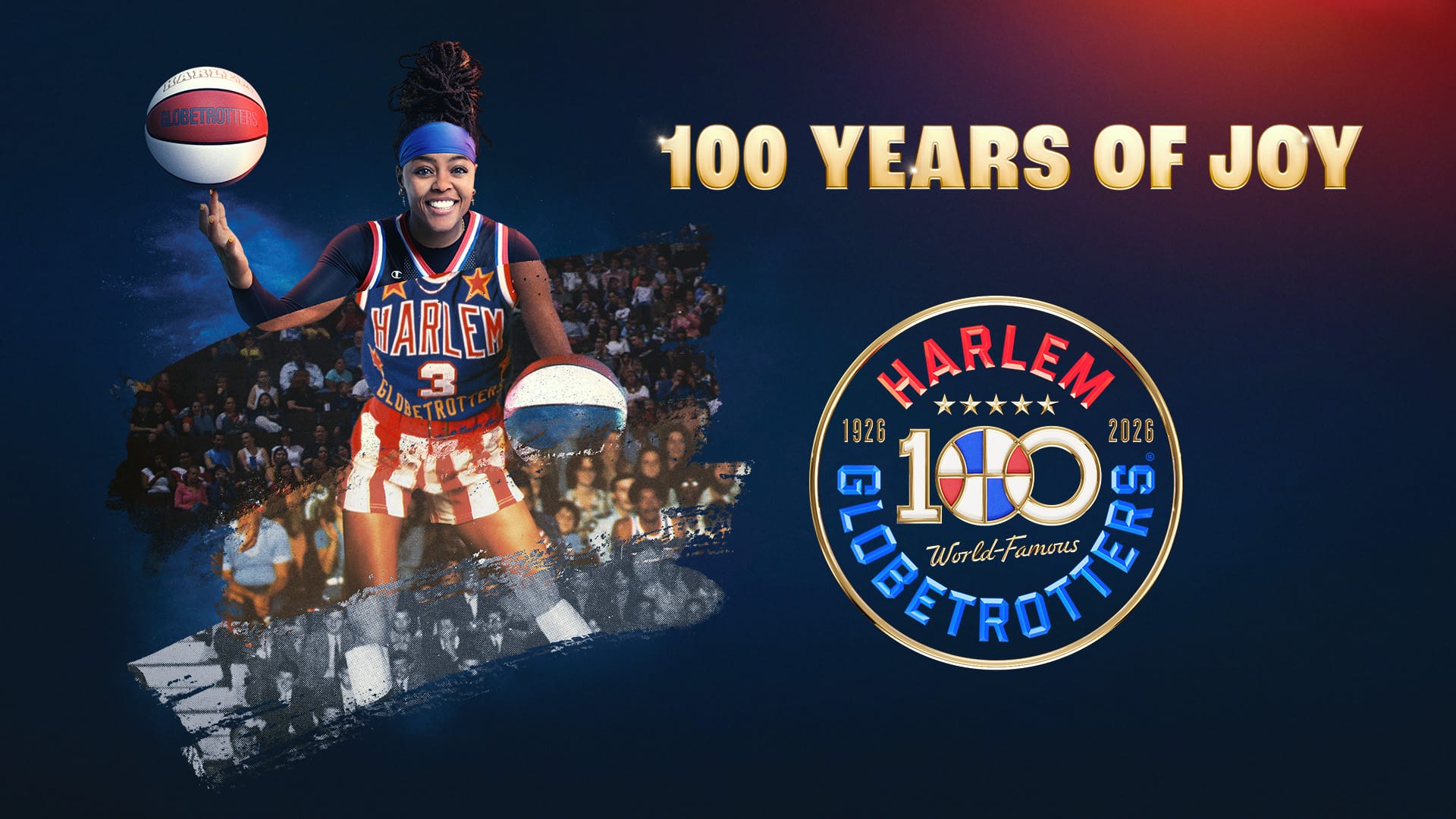
As part of the centennial celebration, the Harlem Globetrotters recently welcomed one of the largest rookie classes in team history, introducing a new generation of athletes tasked with carrying forward a 100-year tradition.
The 2026 rookie class includes six men and four women selected through an expanded global scouting process and the organization’s first-ever open tryout. The group represents a broad cross-section of basketball pathways, including Division I programs, HBCUs, international competition, and freestyle basketball.






(From Left to Right) Top Row-Kaleb Wallace, Mike Saunders Jr., TyOhn Trimble, Bottom-Row Tyrus Crawford, Yoh Iwasaki, Zanai Jones. Photo Credit: The Harlem Globetrotters
Among the historic additions is Yoh Iwasaki, a freestyle dribbler and trick-shot artist who becomes the first Japanese player in Globetrotters history and the third athlete from Asia to wear the iconic red, white, and blue. His inclusion reflects the global reach the organization has built over the last century.
The rookie class also includes multiple women across the Harlem Globetrotters and Washington Generals rosters, continuing the team’s commitment to inclusivity and innovation in the modern era.

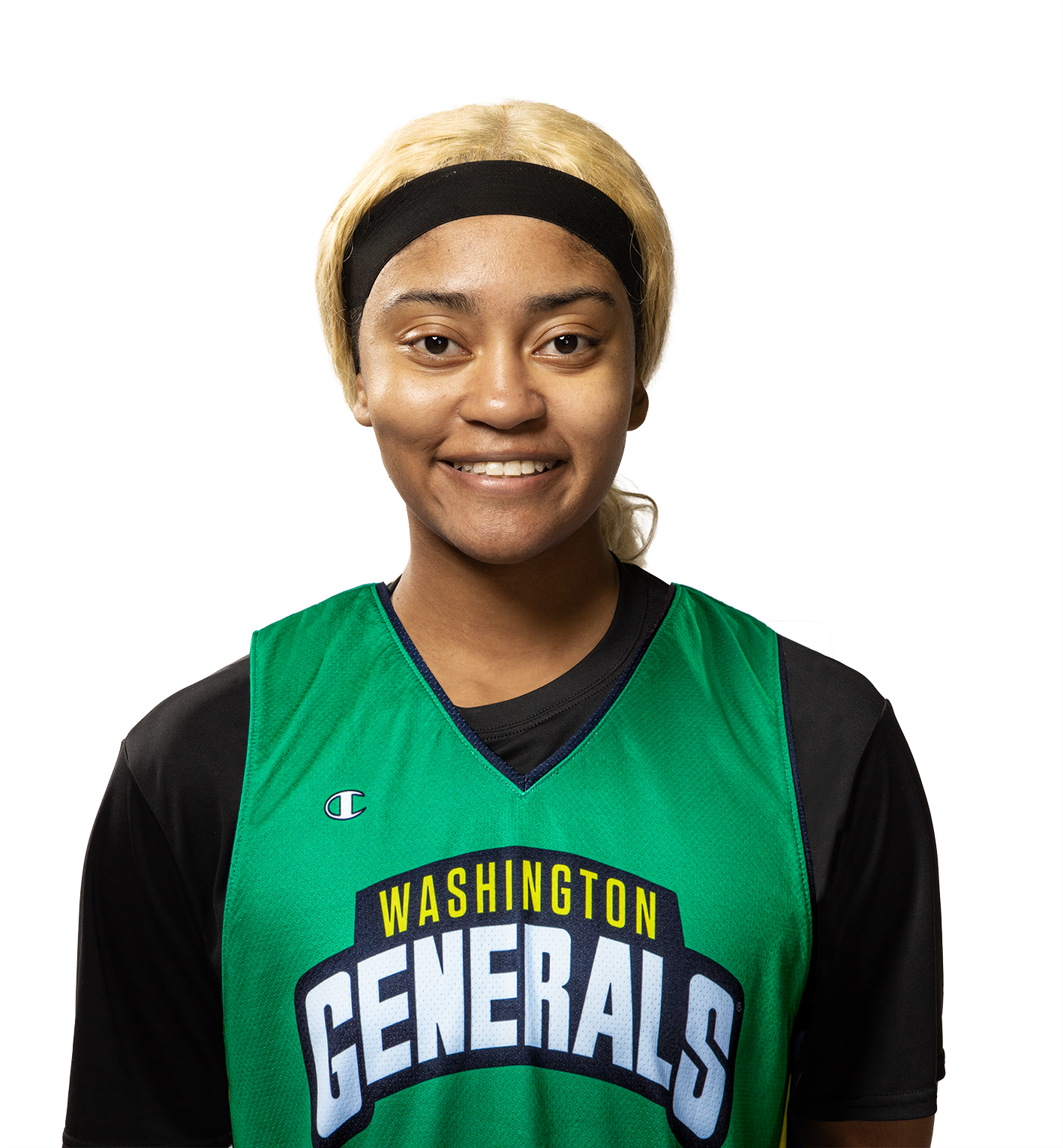


(From Left to Right) Top Row: DeAngelique Waithe, Gabrielle Bunch Bottom-Row: Marissa Mendeldove, Tauris Watson. Photo Credit: Harlem Globetrotters
The ongoing centennial tour features new fan experiences, limited-edition merchandise, and special tributes to the team’s history—while staying true to the spirit that has defined the Harlem Globetrotters for generations.
A Living Chapter of Black History
As Black History Month shines a spotlight on the past, present, and future of Black achievement, the Harlem Globetrotters stand as a rare institution that embodies all three. One hundred years after their founding, they remain not only a basketball team, but a living chapter of Black History—still traveling the world, still breaking barriers, and still inspiring the next generation.
(Atlantic City Focus Arts and Entertainment Editor Raymond Tyler contributed to this report.)
Thanks for reading the whole story!
At Atlantic City Focus, we're committed to providing a platform where the diverse voices of our community can be heard, respected, and celebrated. As an independent online news platform, we rely on a unique mix of affordable advertising and the support of readers like you to continue delivering quality, community journalism that matters. Please support the businesses and organizations that support us by clicking on their ads. And by making a tax deductible donation today, you become a catalyst for change helping to amplify the authentic voices that might otherwise go unheard. And every contribution is greatly appreciated. Join us in making a difference—one uplifting story at a time!